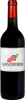
Winery Monte do CousoAlbariño
 White wine


In the mouth this white wine is a with a nice freshness.
This wine generally goes well with vegetarian, appetizers and snacks or lean fish.

Taste structure of the Albariño from the Winery Monte do Couso
Light | Bold | |
Dry | Sweet | |
Soft | Acidic |
In the mouth the Albariño of Winery Monte do Couso in the region of Galice is a with a nice freshness.
Food and wine pairings with Albariño
Pairings that work perfectly with Albariño



Original food and wine pairings with Albariño


The Albariño of Winery Monte do Couso matches generally quite well with dishes of pasta, shellfish or vegetarian such as recipes of cannelloni with brocciu from jeanne, shrimp in red sauce or quiche with leeks and fresh salmon from flo.
Details and technical informations about Winery Monte do Couso's Albariño.
Discover the grape variety: Albarino
Lively, aromatic whites with sharp acidity and a sleek palate, with intense aromas of citrus, white peach, apricot, white flowers, passion fruit and characteristic Atlantic saline-iodine notes. Tonic and long finish. Absolute star of Rías Baixas DO in Galicia (Spain) and signature of Portuguese Vinho Verde as Alvarinho (Monção e Melgaço). Native Iberian variety, exported to Uruguay, California and New Zealand.
Last vintages of this wine
The best vintages of Albariño from Winery Monte do Couso are 2013, 0
Informations about the Winery Monte do Couso
The Winery Monte do Couso is one of of the world's greatest estates. It offers 3 wines for sale in the of Galice to come and discover on site or to buy online.

The wine region of Galice
Oceanic northwest Spain, cradle of the great Iberian whites. Signature Albarino of Rias Baixas: lively, saline whites with signature notes of citrus, white peach, white flowers, fresh almond and iodine minerality, a taut palate — a perfect match for Atlantic seafood. Also premium Godello (pear, citrus, butter), aromatic Treixadura. Supple Mencia reds (raspberry, herbs, graphite).
The word of the wine: Deposit
Solid particles that can naturally coat the bottom of a bottle of wine. It is rather a guarantee that the wine has not been mistreated: in fact, to avoid the natural deposit, rather violent processes of filtration or cold passage (- 7 or - 8 °C) are used in order to precipitate the tartar (the small white crystals that some people confuse with crystallized sugar: just taste to dissuade you from it)