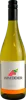
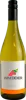
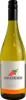
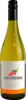
Winery Monte da CastelejaOrganic Branco
 White wine
In the mouth this white wine is a .
This wine generally goes well with pork, lean fish or shellfish.

Taste structure of the Organic Branco from the Winery Monte da Casteleja
Light | Bold | |
Dry | Sweet | |
Soft | Acidic |
In the mouth the Organic Branco of Winery Monte da Casteleja in the region of Algarve is a .
Food and wine pairings with Organic Branco
Pairings that work perfectly with Organic Branco



Original food and wine pairings with Organic Branco

The Organic Branco of Winery Monte da Casteleja matches generally quite well with dishes of pasta, pork or shellfish such as recipes of spaghetti with old-fashioned tomato sauce, chicken ballotine with ham and mushrooms or aïoli.
Details and technical informations about Winery Monte da Casteleja's Organic Branco.
Discover the grape variety: Albana
Structured and aromatic dry whites with a pale golden robe, an ample palate and moderate acidity, with signature aromas of white flowers (acacia), yellow fruits (pear, peach, apricot), almond and mineral notes. Also the star of passito and botrytised dessert wines — round and candied with honey and dried fruit notes. The star of the Romagna Albana DOCG, Italy's first white DOCG (1987). Native Italian white grape from Emilia-Romagna, grown in the hills of Forlì and Bologna.
Informations about the Winery Monte da Casteleja
The Winery Monte da Casteleja is one of of the world's greatest estates. It offers 7 wines for sale in the of Algarve to come and discover on site or to buy online.

The wine region of Algarve
Region of southernmost Portugal between Atlantic and serra, ~3,000 hours of sun/year. Negra Mole as a native red signature (~75%): light and accessible with signature notes of red cherry, raspberry, ripe plum, Mediterranean herbs and a spicy touch, fine tannins — easy-drinking southern style. Supple Castelao, spicy Trincadeira, dense Touriga Nacional, sunny Syrah. Whites Siria, Malvasia Fina (yellow fruits, flowers), taut Arinto.
The word of the wine: Nebuchadnezzar
Bottle with a capacity of 15 litres.