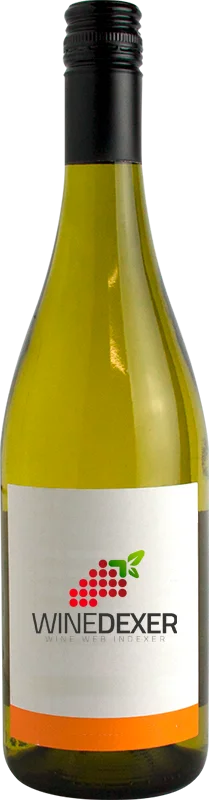
Winery MoncigaleBaron de Paris Blanc Semi Sweet
 Sweet wine
This wine generally goes well with vegetarian, poultry or lean fish.
Food and wine pairings with Baron de Paris Blanc Semi Sweet
Pairings that work perfectly with Baron de Paris Blanc Semi Sweet



Original food and wine pairings with Baron de Paris Blanc Semi Sweet


The Baron de Paris Blanc Semi Sweet of Winery Moncigale matches generally quite well with dishes such as recipes .
Details and technical informations about Winery Moncigale's Baron de Paris Blanc Semi Sweet.
Discover the grape variety: Odjaleschi
Most certainly Georgian, odja meaning "tree" in Megrel, which explains why we still find this variety cultivated with trees as stakes.
Informations about the Winery Moncigale
The Winery Moncigale is one of wineries to follow in Languedoc-Roussillon.. It offers 113 wines for sale in the of Languedoc-Roussillon to come and discover on site or to buy online.

The wine region of Languedoc-Roussillon
Languedoc (formerly Coteaux du Languedoc) is a key appellation used in the Languedoc-Roussillon wine region of southern France. It covers Dry table wines of all three colors (red, white and rosé) from the entire region, but leaves Sweet and Sparkling wines to other more specialized appellations. About 75% of all Languedoc wines are red, with the remaining 25% split roughly down the middle between whites and rosés. The appellation covers most of the Languedoc region and almost a third of all the vineyards in France.
The word of the wine: Discharge
Action consisting of removing suspended particles (sludge) from the must.