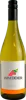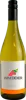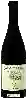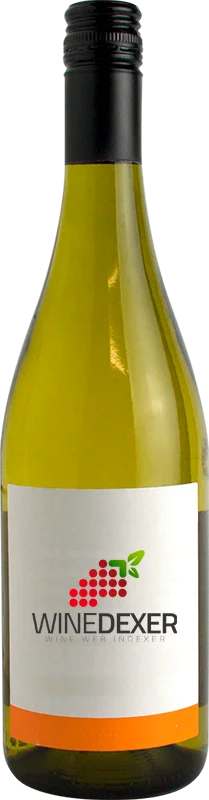
Winery Mas PeyreParadis Blanc
 White wine
In the mouth this white wine is a .
This wine generally goes well with vegetarian, poultry or lean fish.
Taste structure of the Paradis Blanc from the Winery Mas Peyre
Light | Bold | |
Dry | Sweet | |
Soft | Acidic |
In the mouth the Paradis Blanc of Winery Mas Peyre in the region of Languedoc-Roussillon is a .
Food and wine pairings with Paradis Blanc
Pairings that work perfectly with Paradis Blanc



Original food and wine pairings with Paradis Blanc


The Paradis Blanc of Winery Mas Peyre matches generally quite well with dishes of pasta, vegetarian or poultry such as recipes of pasta bolognese, magic cake cheese quiche or thai chicken with red curry and green curry in coconut milk.
Details and technical informations about Winery Mas Peyre's Paradis Blanc.
Discover the grape variety: Picolit blanc
A very old grape variety, probably already known to the Romans, and most certainly of Italian origin, from Friuli to be precise. The Hungarian Keknyelu is said to be the same variety, but this remains to be confirmed. It is almost unknown in France and even in the wine world, perhaps because of its low production and its sensitivity to various diseases. It should be noted that it is not related to the black picolit.
Informations about the Winery Mas Peyre
The Winery Mas Peyre is one of of the world's great estates. It offers 27 wines for sale in the of Languedoc-Roussillon to come and discover on site or to buy online.

The wine region of Languedoc-Roussillon
Languedoc (formerly Coteaux du Languedoc) is a key appellation used in the Languedoc-Roussillon wine region of southern France. It covers Dry table wines of all three colors (red, white and rosé) from the entire region, but leaves Sweet and Sparkling wines to other more specialized appellations. About 75% of all Languedoc wines are red, with the remaining 25% split roughly down the middle between whites and rosés. The appellation covers most of the Languedoc region and almost a third of all the vineyards in France.
The word of the wine: Guyot (pruning)
This is the most widespread pruning technique. It includes one or two long branches and allows the mechanization of a large number of vineyard operations.