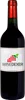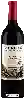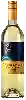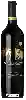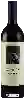
Winery MaryhillMckinley Springs Vineyards Cinsault
 Red wine


In the mouth this red wine is a powerful with a nice balance between acidity and tannins.
This wine generally goes well with poultry, beef or veal.
Taste structure of the Mckinley Springs Vineyards Cinsault from the Winery Maryhill
Light | Bold | |
Smooth | Tannic | |
Dry | Sweet | |
Soft | Acidic |
In the mouth the Mckinley Springs Vineyards Cinsault of Winery Maryhill in the region of Washington is a powerful with a nice balance between acidity and tannins.
Wine flavors and olphactive analysis




On the nose the Mckinley Springs Vineyards Cinsault of Winery Maryhill in the region of Washington often reveals types of flavors of non oak, earth or microbio and sometimes also flavors of oak, spices or red fruit.
Food and wine pairings with Mckinley Springs Vineyards Cinsault
Pairings that work perfectly with Mckinley Springs Vineyards Cinsault



Original food and wine pairings with Mckinley Springs Vineyards Cinsault

The Mckinley Springs Vineyards Cinsault of Winery Maryhill matches generally quite well with dishes of beef, pasta or veal such as recipes of seven o'clock leg of lamb, pesto pasta salad or roast veal in the oven.
Details and technical informations about Winery Maryhill's Mckinley Springs Vineyards Cinsault.
Discover the grape variety: Courbu
Courbu is indigenous to the Pyrenean vineyards. This white grape variety is part of the Jurançon family. Three clones are recognized in this variety, which buds in the medium term, develops regularly and has satisfactory productivity. The way in which the shoots form is characteristic. Initially upright, they bend and curve, giving a parasol-like finish to the vine. A vigorous rootstock is recommended to see the Courbu develop and mature at a late age. The small clusters display quite distinctive features. Not necessarily winged, they are pignate and stocky, with a rounded or rather flattened shape. A light pink veil covers the most mature berries, but the original colour varies from yellow-green to golden white. Vinification enhances the juice of this variety. The bouquet becomes more refined with age under a pale yellow colour. Dry or sweet, this wine is always remarkably fine.
Last vintages of this wine
The best vintages of Mckinley Springs Vineyards Cinsault from Winery Maryhill are 2014, 0, 2013
Informations about the Winery Maryhill
The Winery Maryhill is one of of the world's great estates. It offers 86 wines for sale in the of Horse Heaven Hills to come and discover on site or to buy online.

The wine region of Horse Heaven Hills
The wine region of Horse Heaven Hills is located in the region of Columbia Valley of Washington of United States. Wineries and vineyards like the Domaine Quilceda Creek or the Domaine Passing Time produce mainly wines red, white and pink. The most planted grape varieties in the region of Horse Heaven Hills are Cabernet-Sauvignon, Merlot and Malbec, they are then used in wines in blends or as a single variety. On the nose of Horse Heaven Hills often reveals types of flavors of grapefruit, butter or dried fruit and sometimes also flavors of red fruit, black fruit or chard.
The wine region of Washington
Washington State is located in the Pacific Northwest of the United States, immediately north of Oregon. Although the history of the wine industry is relatively Short, Washington's 900-plus wineries and 350-plus independent winemakers, with more than 50,000 acres of vineyards, now produce more wine than any other state except California. Almost all wine production is in the hot, desert-like eastern Part of Washington, although there is some Grape growing and an AVA (Puget Sound) in the cooler, wetter west. White Chardonnay and Riesling grapes, and red Merlot, Cabernet Sauvignon and Syrah grapes are the main varieties grown in Washington, but the region produces quality wines from nearly 70 different grape varieties.
The word of the wine: Concentrator
A device that removes water from grape must by reverse osmosis or entropy system. Its proponents say that it is better to remove water than to add sugar to produce more alcohol. The improperly used concentrator can also exaggerate bad tastes or greenness of tannins.