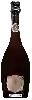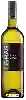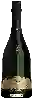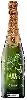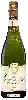
Winery Martin BerasateguiCava Brut Nature
 Sparkling wine


This wine is a blend of 2 varietals which are the Parellada and the Xarello.
In the mouth this sparkling wine is a with a nice vivacity and a fine and pleasant bubble.
This wine generally goes well with appetizers and snacks, lean fish or shellfish.
Taste structure of the Cava Brut Nature from the Winery Martin Berasategui
Light | Bold | |
Soft | Acidic | |
Gentle | Fizzy |
In the mouth the Cava Brut Nature of Winery Martin Berasategui in the region of Cava is a with a nice vivacity and a fine and pleasant bubble.
Wine flavors and olphactive analysis


On the nose the Cava Brut Nature of Winery Martin Berasategui in the region of Cava often reveals types of flavors of citrus fruit.
Food and wine pairings with Cava Brut Nature
Pairings that work perfectly with Cava Brut Nature



Original food and wine pairings with Cava Brut Nature


The Cava Brut Nature of Winery Martin Berasategui matches generally quite well with dishes of shellfish, appetizers and snacks or lean fish such as recipes of mi sao, tuna, tomato and olive cake or fish with madras curry and coconut milk.
Discover the grape variety: Parellada
The white Parellada is a grape variety that originated in France (Spain). It produces a variety of grape specially used for the elaboration of wine. It is rare to find this grape to eat on our tables. This variety of grape is characterized by large bunches of grapes of medium size. The white Parellada can be found cultivated in these vineyards: Languedoc & Roussillon, South West.
Last vintages of this wine
The best vintages of Cava Brut Nature from Winery Martin Berasategui are 0
Informations about the Winery Martin Berasategui
The Winery Martin Berasategui is one of of the world's greatest estates. It offers 9 wines for sale in the of Cava to come and discover on site or to buy online.

The wine region of Cava
Cava is Spain's signature style of Sparkling wine, and the Iberian Peninsula's answer to Champagne. The traditional Grape varieties used in Cava were Macabeo, Parellada and Xarel-lo, but the Champagne varieties Chardonnay and Pinot Noir are also used. While the first Cava was produced exclusively in Catalonia - specifically in a small town called San Sadurní de Noya - modern Cava can be sourced from various regions of Spain. Aragon, Navarre, Rioja, Pais Vasco, Valencia and Extremadura have specific delimited areas that can benefit from the designation of origin.
The word of the wine: Draft liquor (champagne)
After blending, the wine is bottled with a liqueur de tirage (a mixture of sugar and wine) and a yeast (selected yeasts). The yeast attacks the sugar and creates carbon dioxide. The fermentation, which lasts about two months, is prolonged by an ageing period (15 months minimum in total). The bottle is capped (some rare vintages are capped with a staple and a cork).