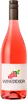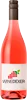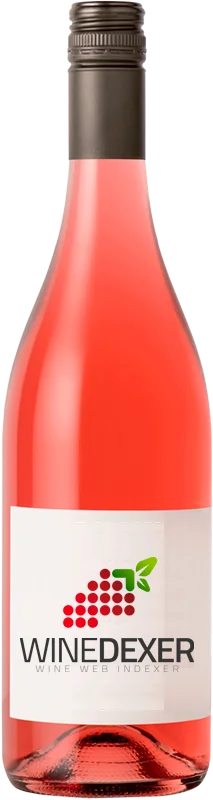
Winery MarsovinLa Torre Shiraz Rosé
 Pink wine


This wine generally goes well with beef, lamb or mature and hard cheese.
The La Torre Shiraz Rosé of the Winery Marsovin is in the top 80 of wines of Malta.

Food and wine pairings with La Torre Shiraz Rosé
Pairings that work perfectly with La Torre Shiraz Rosé



Original food and wine pairings with La Torre Shiraz Rosé

The La Torre Shiraz Rosé of Winery Marsovin matches generally quite well with dishes of beef, lamb or spicy food such as recipes of beef tongue in hot sauce, traditional lamb couscous (from algeria) or hawaiian pizza.
Details and technical informations about Winery Marsovin's La Torre Shiraz Rosé.
Discover the grape variety: Coda di Volpe Biancha
Structured and full-bodied dry whites with a pale golden colour, broad palate and moderate acidity, with signature aromas of white flowers (acacia), ripe yellow fruit (pear, peach, apricot), honey and volcanic mineral notes. A sunny Campanian profile. Grown mainly in the Vesuvius and Sannio areas, it features in the DOC whites of Campania (Vesuvio, Sannio). An indigenous Italian white variety from Campania, its name meaning "fox's tail" (shape of the bunches).
Last vintages of this wine
The best vintages of La Torre Shiraz Rosé from Winery Marsovin are 2017, 2016, 2015, 2018 and 0.
Informations about the Winery Marsovin
The Winery Marsovin is one of of the world's great estates. It offers 132 wines for sale in the of Malta to come and discover on site or to buy online.

The wine region of Malta
Mediterranean archipelago south of Sicily (DOK Malta and Gozo), limestone soils, dry windy climate. Two rare indigenous signatures. Girgentina in light, fresh whites (green apple, citrus, white flowers, almond, saline touch), often blended with Chardonnay. Ġellewża in round, fruity reds (cherry, raspberry, plum, spice), supple tannins — made into sparkling rosés or blended with Syrah/Cabernet.
The word of the wine: Bleeding
Old practice for red wines. As soon as the vat is filled with grapes, the tap is opened. A sweet but clear juice escapes from the vat (it can also be used to make rosé). The colour and density of the juice is enhanced, but it should not be overdone. Rarely more than 10% of the volume of a vat, otherwise you risk losing fruit and bringing in bitterness.