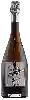
Winery Marques de PlataCava Brut Nature
 Sparkling wine


In the mouth this sparkling wine is a with a nice vivacity and a fine and pleasant bubble.
This wine generally goes well with appetizers and snacks, lean fish or shellfish.

Taste structure of the Cava Brut Nature from the Winery Marques de Plata
Light | Bold | |
Soft | Acidic | |
Gentle | Fizzy |
In the mouth the Cava Brut Nature of Winery Marques de Plata in the region of Valence is a with a nice vivacity and a fine and pleasant bubble.
Food and wine pairings with Cava Brut Nature
Pairings that work perfectly with Cava Brut Nature



Original food and wine pairings with Cava Brut Nature


The Cava Brut Nature of Winery Marques de Plata matches generally quite well with dishes of shellfish, appetizers and snacks or lean fish such as recipes of aïoli, green tomatoes in vinegar or cod (or skrei) with orange.
Details and technical informations about Winery Marques de Plata's Cava Brut Nature.
Discover the grape variety: Xarello
Structured, aromatic whites with full body and firm acidity, with aromas of white flowers, yellow fruits, fennel, fresh almond, Mediterranean herbs and mineral notes. Central component of Cava DO (with macabeo and parellada), bringing structure and ageing potential to Catalan sparkling wines. Also as ambitious still whites in Penedès DO and Classic Penedès. Native Catalan variety.
Last vintages of this wine
The best vintages of Cava Brut Nature from Winery Marques de Plata are 0
Informations about the Winery Marques de Plata
The Winery Marques de Plata is one of of the world's great estates. It offers 16 wines for sale in the of Utiel-Requena to come and discover on site or to buy online.

The wine region of Utiel-Requena
DO in southeastern Spain, west of Valencia on a plateau at 750 m. Signature Bobal (80%, a native almost exclusive to here): dense, deeply coloured reds with signature notes of black cherry, blackberry, plum, wild herbs and a balsamic touch, firm tannins and lively acidity - old vines >40 years on over half the vineyard. Also spicy Tempranillo, round Garnacha, dense Cabernet Sauvignon. Saline rosés.
The wine region of Valence
Sunny Mediterranean Levant, sun-drenched accessible wines. Monastrell (Mourvèdre) star red in Alicante: fleshy and deep with black fruits, garrigue, leather and spice, firm tannins. Round, fruity Bobal from Utiel-Requena, supple Garnacha, juicy Tempranillo. Fresh whites: light Merseguera, aromatic Moscatel (fresh grape, flowers).
The word of the wine: Closed
A flat wine that does not express its aromas.