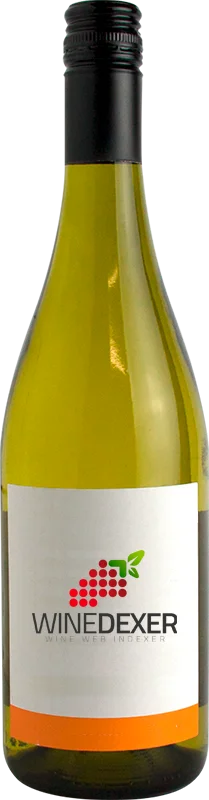
Winery Marques de PlataBlanco
 White wine



This wine generally goes well with

Wine flavors and olphactive analysis

On the nose the Blanco of Winery Marques de Plata in the region of Valence often reveals types of flavors of citrus fruit, floral or tropical fruit.
Details and technical informations about Winery Marques de Plata's Blanco.
Discover the grape variety: Fredonia
Simple reds with a characteristic foxy taste, a sustained ruby colour, supple tannins and a light palate, featuring red fruit aromas (strawberry) and typical labrusca notes (foxy, wild raspberry). Early ripening and cold resistant. Grown in the north-eastern United States (New York) and Ontario for grape juice, simple wines (Concord-like) and fresh consumption. American black hybrid derived from Vitis labrusca, obtained around 1915 in New York State.
Last vintages of this wine
The best vintages of Blanco from Winery Marques de Plata are 2018, 2017, 0, 2016
Informations about the Winery Marques de Plata
The Winery Marques de Plata is one of of the world's greatest estates. It offers 16 wines for sale in the of Utiel-Requena to come and discover on site or to buy online.

The wine region of Utiel-Requena
DO in southeastern Spain, west of Valencia on a plateau at 750 m. Signature Bobal (80%, a native almost exclusive to here): dense, deeply coloured reds with signature notes of black cherry, blackberry, plum, wild herbs and a balsamic touch, firm tannins and lively acidity - old vines >40 years on over half the vineyard. Also spicy Tempranillo, round Garnacha, dense Cabernet Sauvignon. Saline rosés.
The wine region of Valence
Sunny Mediterranean Levant, sun-drenched accessible wines. Monastrell (Mourvèdre) star red in Alicante: fleshy and deep with black fruits, garrigue, leather and spice, firm tannins. Round, fruity Bobal from Utiel-Requena, supple Garnacha, juicy Tempranillo. Fresh whites: light Merseguera, aromatic Moscatel (fresh grape, flowers).
The word of the wine: VQPRD
Quality wine produced in a specific region. European designation that groups together appellation wines, i.e., in France, AOC and VDQS.