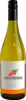
Winery MariottiMaléstar
 White wine



In the mouth this white wine is a with a nice freshness.
This wine generally goes well with vegetarian, appetizers and snacks or lean fish.

Taste structure of the Maléstar from the Winery Mariotti
Light | Bold | |
Dry | Sweet | |
Soft | Acidic |
In the mouth the Maléstar of Winery Mariotti in the region of Emilia-Romagna is a with a nice freshness.
Wine flavors and olphactive analysis

Food and wine pairings with Maléstar
Pairings that work perfectly with Maléstar



Original food and wine pairings with Maléstar


The Maléstar of Winery Mariotti matches generally quite well with dishes of pasta, vegetarian or appetizers and snacks such as recipes of meat and goat pie, quiche with bacon and gruyère cheese or bacon dates.
Details and technical informations about Winery Mariotti's Maléstar.
Discover the grape variety: Juhfark
Structured, lively dry whites with a pale golden colour, a taut, linear palate and very fresh acidity showing mineral (flint), smoky, citrus (lemon), nutty (almond, hazelnut) and white flower notes. Fine ageing potential. The star of great Somló whites, grown on basaltic volcanic soil, whose name means "sheep's tail" in reference to the elongated bunch shape.
Last vintages of this wine
The best vintages of Maléstar from Winery Mariotti are 2015, 2016, 0
Informations about the Winery Mariotti
The Winery Mariotti is one of of the world's greatest estates. It offers 36 wines for sale in the of Emilia-Romagna to come and discover on site or to buy online.

The wine region of Emilia-Romagna
Kingdom of Lambrusco: fresh, fruity sparkling reds (blackberry, cherry, violet), from gourmet dry to convivial off-dry, perfect with local charcuterie. World's best-selling sparkling wine on the Emilia side (Sorbara, Grasparossa, Salamino). East, Romagna: supple fruity Sangiovese, Albana (Italy's 1st white DOCG, 1987) ample and almondy. Also red Gutturnio and white Pignoletto.
The word of the wine: Arching
A stage in the vegetative cycle of the vine that occurs after the leaves have fallen and is characterized by the drying out of the soft shoots, which are transformed into hard shoots by lignification.