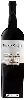
Winery MaretimaPrimitivo
 Red wine



In the mouth this red wine is a powerful.
This wine generally goes well with poultry, beef or lamb.

Taste structure of the Primitivo from the Winery Maretima
Light | Bold | |
Smooth | Tannic | |
Dry | Sweet | |
Soft | Acidic |
In the mouth the Primitivo of Winery Maretima in the region of Puglia is a powerful.
Food and wine pairings with Primitivo
Pairings that work perfectly with Primitivo



Original food and wine pairings with Primitivo

The Primitivo of Winery Maretima matches generally quite well with dishes of beef, pasta or lamb such as recipes of beef lark, pasta with tuna and laughing cow or lamb chops with spanish sauce.
Details and technical informations about Winery Maretima's Primitivo.
Discover the grape variety: Primitivo
Powerful, sun-drenched reds with a dark robe and generous alcohol, showing aromas of stewed blackberry, stewed plum, dried fig, chocolate, gentle spice and balsamic notes. Supple tannins, indulgent finish. Star of Puglia with Primitivo di Manduria DOC, Gioia del Colle DOC and Salice Salentino. Identical to American Zinfandel and Croatian Crljenak Kaštelanski by DNA analysis.
Last vintages of this wine
The best vintages of Primitivo from Winery Maretima are 2012, 2013, 0, 2009
Informations about the Winery Maretima
The Winery Maretima is one of of the world's greatest estates. It offers 4 wines for sale in the of Puglia to come and discover on site or to buy online.

The wine region of Puglia
Heel of the boot, 80% red vineyard, sunny and generous. Fleshy, jammy Primitivo (= Zinfandel) with notes of black cherry, plum, chocolate and spices, powerful alcohol and melted tannins, a star in Primitivo di Manduria. Deep, structured Negroamaro (black-bitter) with a bitter finish in Salice Salentino. Structured Nero di Troia, spicy Susumaniello.
The word of the wine: Muscat blanc à petits grains
A white grape variety cultivated since antiquity on the shores of the Mediterranean, it is considered the noblest of the muscats. It is mainly used to make sweet wines, often from mutage. In France, it is the sole variety used in many natural sweet wines: muscat-de-frontignan, muscat-de-mireval, muscat-de-lunel, muscat-de-saint-jean-de-minervois, muscat-de-beaumes-de-venise, muscat-du-cap-corse. Combined with Muscat d'Alexandrie, it gives Muscat-de-Rivesaltes. It is also used to make sparkling white wines (clairette-de-die; moscato d'asti and asti spumante in Italy) and dry wines (alsace-muscat). Powerfully aromatic and complex, its wines evoke fresh grapes, roses, exotic fruits, citrus fruits and spices.