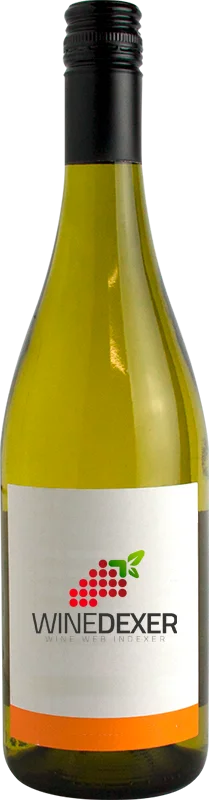
Winery MaremontiLisca Bianca Inzolia
 White wine



In the mouth this white wine is a powerful.
This wine generally goes well with vegetarian, appetizers and snacks or shellfish.

Taste structure of the Lisca Bianca Inzolia from the Winery Maremonti
Light | Bold | |
Dry | Sweet | |
Soft | Acidic |
In the mouth the Lisca Bianca Inzolia of Winery Maremonti in the region of Sicily is a powerful.
Food and wine pairings with Lisca Bianca Inzolia
Pairings that work perfectly with Lisca Bianca Inzolia



Original food and wine pairings with Lisca Bianca Inzolia
The Lisca Bianca Inzolia of Winery Maremonti matches generally quite well with dishes of shellfish, vegetarian or appetizers and snacks such as recipes of cantonese rice, salmon and goat cheese quiche or smoked salmon and lemon cake.
Details and technical informations about Winery Maremonti's Lisca Bianca Inzolia.
Discover the grape variety: Gamay de Chaudenay
Intensely coloured, simple reds with an opaque purple robe (red pulp), supple tannins and a light palate with moderate acidity, featuring discreet aromas of red fruits. Teinturier profile. Once used to intensify the colour of blends, now marginal and surviving in a few plots in Beaujolais and Burgundy as well as in ampelographic collections. Teinturier mutation of Gamay, obtained at Chaudenay in the 19th century.
Last vintages of this wine
The best vintages of Lisca Bianca Inzolia from Winery Maremonti are 0
Informations about the Winery Maremonti
The Winery Maremonti is one of of the world's great estates. It offers 34 wines for sale in the of Sicily to come and discover on site or to buy online.

The wine region of Sicily
Major qualitative renewal. Sunny, expressive reds: fleshy, spicy Nero d'Avola (black cherry, blackberry, liquorice), fine, mineral Nerello Mascalese on Etna (recalls Pinot Noir), light, crisp Frappato in Cerasuolo di Vittoria DOCG. Lively, saline whites: Catarratto, fat, iodised Grillo, taut Carricante, floral Inzolia. Amber, walnutty fortified Marsala.
The word of the wine: Juice
The juice of wine grapes (intended for wine making) is colourless. It is the anthocyanins contained in the grape skin that colour the juice during maceration.