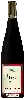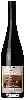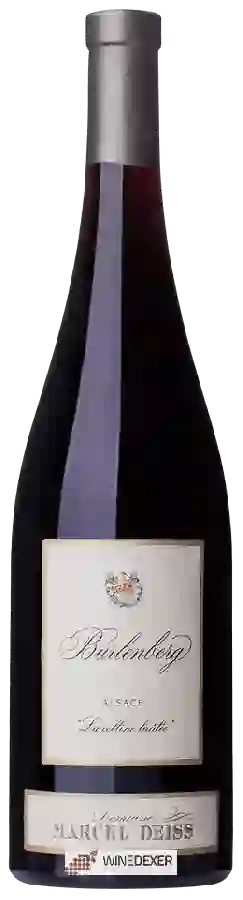
Winery Marcel DeissBurlenberg (La Colline Brulée)
 Red wine


In the mouth this red wine is a with a nice freshness.
This wine generally goes well with pork, poultry or veal.

Taste structure of the Burlenberg (La Colline Brulée) from the Winery Marcel Deiss
Light | Bold | |
Smooth | Tannic | |
Dry | Sweet | |
Soft | Acidic |
In the mouth the Burlenberg (La Colline Brulée) of Winery Marcel Deiss in the region of Alsace is a with a nice freshness.
Wine flavors and olphactive analysis





On the nose the Burlenberg (La Colline Brulée) of Winery Marcel Deiss in the region of Alsace often reveals types of flavors of cherry, smoke or red fruit and sometimes also flavors of raspberry, non oak or earth.
Food and wine pairings with Burlenberg (La Colline Brulée)
Pairings that work perfectly with Burlenberg (La Colline Brulée)



Original food and wine pairings with Burlenberg (La Colline Brulée)



The Burlenberg (La Colline Brulée) of Winery Marcel Deiss matches generally quite well with dishes of veal, poultry or game (deer, venison) such as recipes of osso-bucco with asian flavours, funambuline style, cantonese rice or valencian paella - family recipe.
Details and technical informations about Winery Marcel Deiss's Burlenberg (La Colline Brulée).
Discover the grape variety: Pinot noir
Elegant reds, light in colour with silky tannins, showing strawberry, cherry and raspberry aromas, evolving to forest floor, mushroom and spice with age. Fresh acidity, delicate finish. Star of the Côte d'Or (Romanée-Conti, Chambertin, Volnay), pillar of Champagne (Blanc de Noirs) and signature of Oregon, Central Otago and Sonoma Coast. An early-ripening Burgundian variety, one of the world's greatest.
Last vintages of this wine

The best vintages of Burlenberg (La Colline Brulée) from Winery Marcel Deiss are 2020, 2019, 2018, 2009 and 2004.
Informations about the Winery Marcel Deiss
The Winery Marcel Deiss is one of of the world's great estates. It offers 56 wines for sale in the of Alsace to come and discover on site or to buy online.

The wine region of Alsace
Capital of great French aromatic whites, most often dry and single-varietal. Straight, mineral Riesling (lemon, gunflint), opulent, exuberant Gewurztraminer (lychee, rose, spices), round, smoky Pinot Gris, floral, crisp Muscat, supple Pinot Blanc. Fine, fruity Crémants d'Alsace, exceptional sweet Vendanges Tardives and Sélection de Grains Nobles. 15,500 ha at the foot of the Vosges on varied soils, 51 Grands Crus since 1975.
The word of the wine: Aroma
A pleasant smell that can be primary (or varietal, i.e. characteristic of the grape), secondary (resulting from fermentation) or tertiary (resulting from the aging of the wine in the bottle).