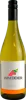
Winery MannsLunaris Koshu Barrel Fermentation
 White wine



In the mouth this white wine is a .
This wine generally goes well with lean fish and shellfish.

Taste structure of the Lunaris Koshu Barrel Fermentation from the Winery Manns
Light | Bold | |
Dry | Sweet | |
Soft | Acidic |
In the mouth the Lunaris Koshu Barrel Fermentation of Winery Manns in the region of Yamanashi-ken is a .
Food and wine pairings with Lunaris Koshu Barrel Fermentation
Pairings that work perfectly with Lunaris Koshu Barrel Fermentation


Original food and wine pairings with Lunaris Koshu Barrel Fermentation
The Lunaris Koshu Barrel Fermentation of Winery Manns matches generally quite well with dishes of shellfish or lean fish such as recipes of crab matoutou or breton cotriade.
Details and technical informations about Winery Manns's Lunaris Koshu Barrel Fermentation.
Discover the grape variety: Arrouya
Light, fruity reds with a clear ruby colour, supple tannins and delicate aromas of red fruits (cherry, raspberry), gentle spices and floral notes. A rare, airy profile now virtually absent from commercial viticulture. Preserved for its heritage value, this ancient variety survives in a few Pyrenean plots among the historic grapes of the South-West.
Last vintages of this wine
The best vintages of Lunaris Koshu Barrel Fermentation from Winery Manns are 0
Informations about the Winery Manns
The Winery Manns is one of of the world's great estates. It offers 75 wines for sale in the of Yamanashi-ken to come and discover on site or to buy online.

The wine region of Yamanashi-ken
Japanese winemaking heart at the foot of Mount Fuji, signature in Koshu. Identity-driven native white (~90% of Japanese plantings): delicate, precise dry whites with notes of citrus (yuzu, lime), green apple, white flowers and a slightly saline finish, low alcohol and great freshness. Ideal with sushi and Japanese cuisine. Also Chardonnay and Merlot in the altitude zones of Akeno.
The word of the wine: Chaptalization
The addition of sugar at the time of fermentation of the must, an ancient practice, but theorized by Jean-Antoine Chaptal at the dawn of the 19th century. The sugar is transformed into alcohol and allows the natural degree of the wine to be raised in a weak or cold year, or - more questionably - when the winegrower has a harvest that is too large to obtain good maturity.