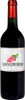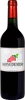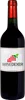
Winery Ma'AdraReserve Syrah
 Red wine


This wine generally goes well with beef, lamb or mature and hard cheese.
The Reserve Syrah of the Winery Ma'Adra is in the top 40 of wines of Aegean.
Wine flavors and olphactive analysis



On the nose the Reserve Syrah of Winery Ma'Adra in the region of Aegean often reveals types of flavors of non oak, oak or spices and sometimes also flavors of black fruit.
Food and wine pairings with Reserve Syrah
Pairings that work perfectly with Reserve Syrah



Original food and wine pairings with Reserve Syrah

The Reserve Syrah of Winery Ma'Adra matches generally quite well with dishes of beef, lamb or spicy food such as recipes of simple baked roast beef, leg of lamb with spices or macaroonade from sète.
Details and technical informations about Winery Ma'Adra's Reserve Syrah.
Discover the grape variety: Tzolikoouri
Most certainly finding its first origins in Georgia. It can be found in Italy, Germany, Slovak Republic, Ukraine, Republic of Moldova, Czech Republic, Romania, Bulgaria, Russia, ... in France, it is practically unknown.
Last vintages of this wine

The best vintages of Reserve Syrah from Winery Ma'Adra are 2015, 2014, 0, 2012
Informations about the Winery Ma'Adra
The Winery Ma'Adra is one of of the world's greatest estates. It offers 13 wines for sale in the of Aegean to come and discover on site or to buy online.

The wine region of Aegean
The Aegean wine region Lies in the western Part of Turkey, on the end of the Anatolian peninsula, facing the Aegean Sea and the Greek Islands. It accounts for over half of all wine produced in the country. The Climate is typically Mediterranean with hot summers and mild winters. Coastal vineyards are often at an altitude of around 150 meters, and have the most pronounced maritime influences.
The word of the wine: Deposit
Solid particles that can naturally coat the bottom of a bottle of wine. It is rather a guarantee that the wine has not been mistreated: in fact, to avoid the natural deposit, rather violent processes of filtration or cold passage (- 7 or - 8 °C) are used in order to precipitate the tartar (the small white crystals that some people confuse with crystallized sugar: just taste to dissuade you from it)