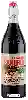
Lynfred WineryTempranillo
 Red wine


This wine generally goes well with pork, beef or game (deer, venison).
The Tempranillo of the Lynfred Winery is in the top 10 of wines of Illinois.

Wine flavors and olphactive analysis



On the nose the Tempranillo of Lynfred Winery in the region of Illinois often reveals types of flavors of non oak, earth or oak and sometimes also flavors of spices, red fruit or black fruit.
Food and wine pairings with Tempranillo
Pairings that work perfectly with Tempranillo



Original food and wine pairings with Tempranillo


The Tempranillo of Lynfred Winery matches generally quite well with dishes of beef, lamb or pork such as recipes of beef bobotie, baekenofe (alsatian meat stew) or salty crumble with courgettes, goat cheese and bacon.
Details and technical informations about Lynfred Winery's Tempranillo.
Discover the grape variety: Tempranillo
Elegant, structured reds with aromas of strawberry, cherry, plum, leather, blond tobacco and pronounced vanilla from long oak ageing. Ranges from Joven to Crianza, Reserva and Gran Reserva. Star of Rioja DOCa, Ribera del Duero DO and Toro DO, also shines in the Douro as Tinta Roriz/Aragonez. One of the world's most planted Spanish varieties.
Last vintages of this wine

The best vintages of Tempranillo from Lynfred Winery are 2014, 2017, 2016, 0 and 2011.
Informations about the Lynfred Winery
The Lynfred Winery is one of of the world's greatest estates. It offers 90 wines for sale in the of Illinois to come and discover on site or to buy online.

The wine region of Illinois
Midwestern US wine state, humid continental climate requiring robust hybrid varieties. Signature Chambourcin in red: fruity and accessible with signature black cherry, raspberry, plum, fresh herbs and a peppery touch, supple tannins and lively acidity — the local standard. Dense, deeply coloured Norton (blackberry, coffee), fruity Frontenac, spicy Foch. Whites: ample Chardonel, honeyed sweet Vidal Blanc, aromatic Vignoles, opulent Traminette, lively Seyval Blanc.
The word of the wine: Residual sugars
Sugars not transformed into alcohol and naturally present in the wine. The perception of residual sugars is conditioned by the acidity of the wine. The more acidic the wine is, the less sweet it will seem, given the same amount of sugar.