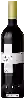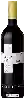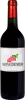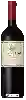
Winery Luis Segundo CorreasValle Las Acequias Bonarda Clase A
 Red wine



In the mouth this red wine is a powerful with a nice freshness.
This wine generally goes well with pork, poultry or veal.

Taste structure of the Valle Las Acequias Bonarda Clase A from the Winery Luis Segundo Correas
Light | Bold | |
Smooth | Tannic | |
Dry | Sweet | |
Soft | Acidic |
In the mouth the Valle Las Acequias Bonarda Clase A of Winery Luis Segundo Correas in the region of Mendoza is a powerful with a nice freshness.
Wine flavors and olphactive analysis



On the nose the Valle Las Acequias Bonarda Clase A of Winery Luis Segundo Correas in the region of Mendoza often reveals types of flavors of non oak, oak or red fruit and sometimes also flavors of black fruit.
Food and wine pairings with Valle Las Acequias Bonarda Clase A
Pairings that work perfectly with Valle Las Acequias Bonarda Clase A



Original food and wine pairings with Valle Las Acequias Bonarda Clase A

The Valle Las Acequias Bonarda Clase A of Winery Luis Segundo Correas matches generally quite well with dishes of veal, pork or game (deer, venison) such as recipes of veal chop with rosemary, tomatoes stuffed with sausage meat or duck breast with peaches and spices.
Details and technical informations about Winery Luis Segundo Correas's Valle Las Acequias Bonarda Clase A.
Discover the grape variety: Smederevka
Fresh, lively whites to drink young with a pale golden robe, an airy palate with preserved acidity, and signature aromas of citrus (lemon, grapefruit), white flowers and fresh herbal notes. Productive. A pillar of dry whites in the Balkans (Serbia, North Macedonia, Bulgaria), grown mainly in the Danube valley (Smederevo), this grape defines the Danubian wine identity. An indigenous Serbian and Macedonian white grape, widely grown in the former Yugoslavia.
Last vintages of this wine
The best vintages of Valle Las Acequias Bonarda Clase A from Winery Luis Segundo Correas are 2016, 0
Informations about the Winery Luis Segundo Correas
The Winery Luis Segundo Correas is one of of the world's great estates. It offers 38 wines for sale in the of Mendoza to come and discover on site or to buy online.

The wine region of Mendoza
World capital of Malbec: powerful, deep reds with blackberry, plum, violet and sweet spice, round tannins and vivid fruit. Also firm Cabernet Sauvignon, supple, juicy Bonarda, aromatic floral white Torrontés. High-altitude vineyards (800-1,700 m) at the foot of the Andes, dry continental climate irrigated by glacial waters. ~80% of Argentine output across 150,000 ha.
The word of the wine: Tanin
A natural compound contained in the skin of the grape, the seed or the woody part of the bunch, the stalk. The maceration of red wines allows the extraction of tannins, which give the texture, the solidity and also the mellowness when the tannins are "ripe". The winemaker seeks above all to extract the tannins from the skin, the ripest and most noble. The tannins of the seed or stalk, which are "greener", especially in average years, give the wine hardness and astringency. The wines of Bordeaux (based on Cabernet and Merlot) are full of tannins, those of Burgundy much less so, with Pinot Noir containing little.