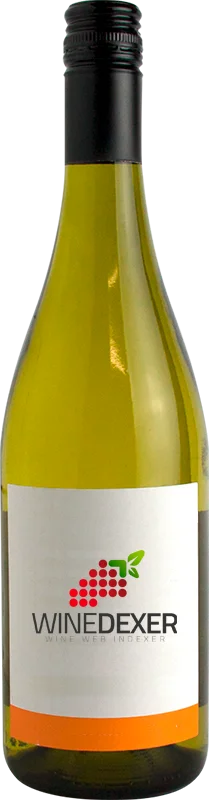
Winery Les Vins de CabanonTir à Blanc
 White wine


This wine generally goes well with poultry, beef or rich fish (salmon, tuna etc).

Wine flavors and olphactive analysis

On the nose the Tir à Blanc of Winery Les Vins de Cabanon in the region of Vin de France often reveals types of flavors of peach, tree fruit.
Food and wine pairings with Tir à Blanc
Pairings that work perfectly with Tir à Blanc



Original food and wine pairings with Tir à Blanc


The Tir à Blanc of Winery Les Vins de Cabanon matches generally quite well with dishes of beef, rich fish (salmon, tuna etc) or shellfish such as recipes of monkfish (anglerfish) à la sétoise, brandade of cod from nimes or californian sushi (reverse maki).
Details and technical informations about Winery Les Vins de Cabanon's Tir à Blanc.
Discover the grape variety: Moscatel de Alejandría
Intensely aromatic muscated whites with a pale golden to amber robe, an ample, rounded palate, and signature aromas of muscat, white flowers (orange blossom, jasmine), exotic fruits and fresh grape. Mainly in naturally sweet and concentrated liqueur wines. Star of Málaga DO, Moscatel de Valencia DO, Setúbal DOC, Passito di Pantelleria DOC and Maghrebi Muscats. Spanish synonym for Muscat of Alexandria, a historic aromatic variety from the eastern Mediterranean.
Informations about the Winery Les Vins de Cabanon
The Winery Les Vins de Cabanon is one of of the world's greatest estates. It offers 6 wines for sale in the of Vin de France to come and discover on site or to buy online.

The wine region of Vin de France
The freest category of French wine, the playground of winemakers working outside the AOC. All styles combined: fruity reds, lively or ambitious whites, everyday rosés, unusual blends, natural wines, atypical grapes (Petit Manseng in Languedoc, Riesling in Provence), experimental winemaking (skin-contact whites, no sulphur). Grape and vintage labelling allowed, no geographic constraint. From the pop, convivial cuvée to the artisan gem: freedom in a bottle.
The word of the wine: Stirring
In the traditional method, the operation aims to bring the deposits against the cork by the movement of the bottles placed on desks. The stirring can be manual or mechanical (using gyropalettes).