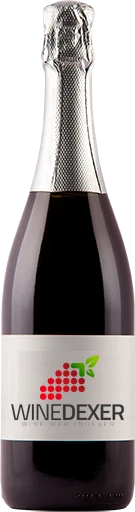
Les Vignerons de Muscat de LunelMuscat Petillant Demi-Sec
 Sparkling wine
This wine generally goes well with spicy food and sweet desserts.

Food and wine pairings with Muscat Petillant Demi-Sec
Pairings that work perfectly with Muscat Petillant Demi-Sec


Original food and wine pairings with Muscat Petillant Demi-Sec
The Muscat Petillant Demi-Sec of Les Vignerons de Muscat de Lunel matches generally quite well with dishes such as recipes .
Details and technical informations about Les Vignerons de Muscat de Lunel's Muscat Petillant Demi-Sec.
Discover the grape variety: Dan ben Hannah
Simple, light, fruity reds with a pale ruby colour, silky tannins and an airy palate with moderate acidity. Understated aromas of southern red fruits. Discrete rustic profile. Almost extinct, preserved in INRAE varietal collections; it bears witness to the pre-phylloxera ampelographic diversity of south-east France and is among the heritage varieties studied for their genetic interest. A rare French black grape, once grown in the south-east.
Informations about the Les Vignerons de Muscat de Lunel
The Les Vignerons de Muscat de Lunel is one of of the world's greatest estates. It offers 14 wines for sale in the of Méditerranée to come and discover on site or to buy online.

The wine region of Méditerranée
Vast IGP of south-east France (Provence, Vaucluse, Var, Corsica, Ardèche), 75% rosés. Fresh, fruity rosés with signature notes of strawberry, raspberry, citrus, white flowers and a Mediterranean touch, taut and thirst-quenching on the palate — the quintessential sunny aperitif. Supple reds blending Grenache, Syrah, Cabernet and Merlot (red fruits, garrigue, spice), full whites of Viognier (apricot, flowers) and Chardonnay. Generous everyday wines, expression of the south.
The word of the wine: Size
Cutting of shoots to regulate and balance the growth of the vine in order to control productivity.