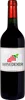
Les Domaine BarsalouDomaine Saint Maurice Languedoc
 Red wine
This wine generally goes well with beef, veal or pasta.
Food and wine pairings with Domaine Saint Maurice Languedoc
Pairings that work perfectly with Domaine Saint Maurice Languedoc



Original food and wine pairings with Domaine Saint Maurice Languedoc
The Domaine Saint Maurice Languedoc of Les Domaine Barsalou matches generally quite well with dishes of beef, pasta or veal such as recipes of simple baked roast beef, zucchini and goat cheese lasagna or adapted vietnamese fondue.
Details and technical informations about Les Domaine Barsalou's Domaine Saint Maurice Languedoc.
Discover the grape variety: Dobricic
From the island of Solta off the Dalmatian coast in Croatia. If in France it is almost unknown, in its country of origin it still benefits today from a rescue program. According to genetic analyses carried out in Davis (United States) by the California University, Dobricic is the father of Plavac Mali, the latter being a very well-known quality grape variety in Croatia and other countries.
Informations about the Les Domaine Barsalou
The Les Domaine Barsalou is one of of the world's greatest estates. It offers 26 wines for sale in the of Languedoc to come and discover on site or to buy online.

The wine region of Languedoc
Languedoc (formerly Coteaux du Languedoc) is a key appellation used in the Languedoc-Roussillon wine region of southern France. It covers Dry table wines of all three colors (red, white and rosé) from the entire region, but leaves Sweet and Sparkling wines to other more specialized appellations. About 75% of all Languedoc wines are red, with the remaining 25% split roughly down the middle between whites and rosés. The appellation covers most of the Languedoc region and almost a third of all the vineyards in France.
The wine region of Languedoc-Roussillon
Languedoc (formerly Coteaux du Languedoc) is a key appellation used in the Languedoc-Roussillon wine region of southern France. It covers Dry table wines of all three colors (red, white and rosé) from the entire region, but leaves Sweet and Sparkling wines to other more specialized appellations. About 75% of all Languedoc wines are red, with the remaining 25% split roughly down the middle between whites and rosés. The appellation covers most of the Languedoc region and almost a third of all the vineyards in France.
The word of the wine: Persistence
Persistence in the mouth of a wine measured in caudalies.