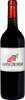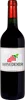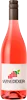
Winery Les Crus FaugeresLa Jasse d’Aimé Rosé
 Pink wine
In the mouth this pink wine is a powerful with a nice freshness.
This wine generally goes well with vegetarian, appetizers and snacks or lean fish.

Taste structure of the La Jasse d’Aimé Rosé from the Winery Les Crus Faugeres
Light | Bold | |
Dry | Sweet | |
Soft | Acidic |
In the mouth the La Jasse d’Aimé Rosé of Winery Les Crus Faugeres in the region of Languedoc-Roussillon is a powerful with a nice freshness.
Food and wine pairings with La Jasse d’Aimé Rosé
Pairings that work perfectly with La Jasse d’Aimé Rosé



Original food and wine pairings with La Jasse d’Aimé Rosé


The La Jasse d’Aimé Rosé of Winery Les Crus Faugeres matches generally quite well with dishes of pasta, vegetarian or appetizers and snacks such as recipes of spinach cannelloni, tuna, pepper and tomato quiche or cervelat in the alsatian style.
Details and technical informations about Winery Les Crus Faugeres's La Jasse d’Aimé Rosé.
Discover the grape variety: Landal
Deeply colored, simple and fruity reds with a dark ruby robe, lightly firm tannins and a direct palate, showing signature aromas of red fruits (cherry, raspberry), gentle spices and herbaceous notes. Cold and disease resistant profile. Grown mainly in Canada (Quebec, Ontario) and the northeastern US for vineyards with harsh continental climates. French black hybrid obtained around 1933 by Pierre Landot (Landot 244).
Informations about the Winery Les Crus Faugeres
The Winery Les Crus Faugeres is one of of the world's great estates. It offers 60 wines for sale in the of Faugères to come and discover on site or to buy online.

The wine region of Faugères
Languedoc AOC on signature Palaeozoic schist, foothills of the Massif Central. Dense, mineral reds dominate: vibrant Syrah with signature notes of blackberry, violet, black pepper, garrigue and a smoky touch, tight tannins. Sun-drenched Grenache (ripe cherry, kirsch, spice), Mourvèdre compulsory for depth (leather, game, liquorice) — the only Languedoc AOC to require it. Carignan and Cinsault in support.
The wine region of Languedoc-Roussillon
Largest single French vineyard, dominated by sunny, generous reds. Spicy Syrah, candied Grenache (ripe fruit, garrigue), structured Carignan, deep Mourvèdre, supple Cinsault. Stars: structured Corbières, Minervois, Faugères, Saint-Chinian; round Côtes-du-Roussillon. Legendary vins doux naturels: Banyuls and Maury (fortified Grenache) with notes of cocoa, fig, prune.
The word of the wine: Alcooleux
Said of a wine dominated by the presence of alcohol.