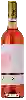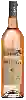
Château KefrayaLes Bretèches Rosé
 Pink wine



This wine is composed of 100% of the grape variety Tempranillo.
This wine generally goes well with
The Les Bretèches Rosé of the Château Kefraya is in the top 80 of wines of Bekaa Valley.

Wine flavors and olphactive analysis


On the nose the Les Bretèches Rosé of Château Kefraya in the region of Bekaa Valley often reveals types of flavors of apples, peach or minerality and sometimes also flavors of strawberries, raspberry or cranberry.
Details and technical informations about Château Kefraya's Les Bretèches Rosé.
Discover the grape variety: Cinsault
Light, fresh reds with a clear robe, supple tannins and a tender mouth, featuring aromas of wild strawberry, raspberry, rose, peony and soft spices. The absolute pillar of Provençal rosés (Côtes de Provence AOC, Bandol rosé) to which it brings finesse and freshness, also a component of GSM blends in Côtes-du-Rhône and Languedoc. Also a single variety in South Africa where it is a parent of Pinotage. Historic southern French grape.
Last vintages of this wine
The best vintages of Les Bretèches Rosé from Château Kefraya are 2018, 2022, 2021, 2020 and 2019.
Informations about the Château Kefraya
The Château Kefraya is one of of the world's great estates. It offers 43 wines for sale in the of Bekaa Valley to come and discover on site or to buy online.

The wine region of Bekaa Valley
Lebanese high-altitude valley (~1,000 m), ~6,000 years of winegrowing, ~90% of the country's wine. Complex, age-worthy reds with signature notes of black cherry, blackberry, garrigue, leather, cedar, oriental spices and a balsamic touch, firm tannins and long ageing — Cabernet for backbone, supple Cinsault, dense Carignan, fruity Grenache, peppery Syrah. Native whites Merwah and Obaideh, taut and mineral. Iconic Chateau Musar.
The word of the wine: Green harvest or green harvesting
The practice of removing excess bunches of grapes from certain vines, usually in July, but sometimes later. This is often necessary, but not always a good thing, as the remaining grapes tend to gain weight.