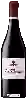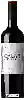
Winery Lauren RosilloDeath Metal Red Vol. 5
 Red wine


In the mouth this red wine is a powerful with a nice balance between acidity and tannins.
This wine generally goes well with poultry, beef or veal.

Taste structure of the Death Metal Red Vol. 5 from the Winery Lauren Rosillo
Light | Bold | |
Smooth | Tannic | |
Dry | Sweet | |
Soft | Acidic |
In the mouth the Death Metal Red Vol. 5 of Winery Lauren Rosillo in the region of Castille is a powerful with a nice balance between acidity and tannins.
Food and wine pairings with Death Metal Red Vol. 5
Pairings that work perfectly with Death Metal Red Vol. 5



Original food and wine pairings with Death Metal Red Vol. 5

The Death Metal Red Vol. 5 of Winery Lauren Rosillo matches generally quite well with dishes of beef, pasta or veal such as recipes of simple baked roast beef, pasta with basil or filet mignon with prunes and white wine.
Details and technical informations about Winery Lauren Rosillo's Death Metal Red Vol. 5.
Discover the grape variety: Jaen
Supple, fruity reds with a clear to intense ruby robe, smooth tannins and a charming palate, with signature aromas of red fruits (cherry, raspberry, strawberry), soft spices, flowers and herbal notes. Airy profile for early drinking or short ageing. Essential component of Dão DOC reds, blended with Touriga Nacional and Tinta Roriz. Genetically identical to Spanish Mencía, indigenous Portuguese black variety from Dão.
Last vintages of this wine
The best vintages of Death Metal Red Vol. 5 from Winery Lauren Rosillo are 2015, 0
Informations about the Winery Lauren Rosillo
The Winery Lauren Rosillo is one of of the world's greatest estates. It offers 7 wines for sale in the of Castille to come and discover on site or to buy online.

The wine region of Castille
Cradle of great Castilian reds, high-altitude plateaus (450-1000 m) along the Duero. Tempranillo king (aka Tinta de Toro, Tinto Fino): powerful, concentrated, structured reds with notes of black cherry, plum, leather, tobacco and spice, firm tannins from altitude and cool nights. Stars: Ribera del Duero (Vega Sicilia, Pingus), fleshy Toro, Bierzo (floral, mineral Mencía). Lively, herbaceous Verdejo whites from Rueda.
The word of the wine: Over-ripeness
Characteristic of grapes harvested late, rich in sugar, which give wines often mellow and marked by candied aromas.