The Château Lacapelle Cabanac of Cahors of South West
Château Lacapelle Cabanac
The winery offers 10 different wines
3.9


Note - 1Note - 1Note - 1Note - 1Note - 0
Its wines get an average rating of 3.9.
It is ranked in the top 11 of the estates of South West.
It is located in Cahors in the region of South West
Find the Château Lacapelle Cabanac on Facebook and on Twitter

The Château Lacapelle Cabanac is one of the world's great estates. It offers 10 wines for sale in of Cahors to come and discover on site or to buy online.
Top Château Lacapelle Cabanac wines

Looking for the best Château Lacapelle Cabanac wines in Cahors among all the wines in the region? Check out our tops of the best red, white or effervescent Château Lacapelle Cabanac wines. Also find some food and wine pairings that may be suitable with the wines from this area. Learn more about the region and the Château Lacapelle Cabanac wines with technical and enological descriptions.

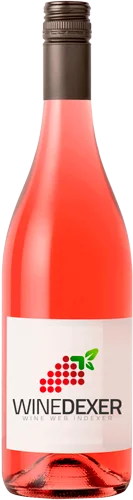
The top pink wines of Château Lacapelle Cabanac

Food and wine pairings with a pink wine of Château Lacapelle Cabanac

How Château Lacapelle Cabanac wines pair with each other generally quite well with dishes of shellfish, appetizers and snacks or lean fish such as recipes of gari (cassava flour) with shrimps (africa), patatas bravas (fried potatoes with spicy tomato sauce) or baked fish with paprika.

The grape varieties most used in the pink wines of Château Lacapelle Cabanac.

  • Malbec

Discovering the wine region of Cahors

The wine region of Cahors is located in the region of Haut-Pays of South West of France. Wineries and vineyards like the Château Lagrézette or the Château Lagrézette produce mainly wines red, white and pink. The most planted grape varieties in the region of Cahors are Malbec, Merlot and Tannat, they are then used in wines in blends or as a single variety. On the nose of Cahors often reveals types of flavors of cherry, tomatoes or toasty and sometimes also flavors of apples, citrus or tropical fruit.

In the mouth of Cahors is a powerful with a nice balance between acidity and tannins. We currently count 308 estates and châteaux in the of Cahors, producing 922 different wines in conventional, organic and biodynamic agriculture. The wines of Cahors go well with generally quite well with dishes of beef, lamb or poultry.

The top white wines of Château Lacapelle Cabanac

Food and wine pairings with a white wine of Château Lacapelle Cabanac

How Château Lacapelle Cabanac wines pair with each other generally quite well with dishes of pork, game (deer, venison) or rich fish (salmon, tuna etc) such as recipes of wild boar bourguignon, canned duck confit or salmon and leek gratin.

The grape varieties most used in the white wines of Château Lacapelle Cabanac.

  • Chenin Blanc
  • Sauvignon Blanc
  • Viognier
  • Chardonnay

Discover the grape variety: Viognier

White Viognier is a grape variety that originated in France (Rhone Valley). It produces a variety of grape specially used for wine making. It is rare to find this grape to eat on our tables. This variety of grape is characterized by small bunches, and grapes of small size. White Viognier can be found in many vineyards: South West, Languedoc & Roussillon, Cognac, Bordeaux, Rhone Valley, Burgundy, Jura, Champagne, Savoie & Bugey, Provence & Corsica, Loire Valley, Beaujolais.

The top red wines of Château Lacapelle Cabanac

Food and wine pairings with a red wine of Château Lacapelle Cabanac

How Château Lacapelle Cabanac wines pair with each other generally quite well with dishes of beef, lamb or poultry such as recipes of beef with panang curry (red curry), lamb tagine with peppers and artichoke bottoms or chicken fillets with mustard and cream.

Organoleptic analysis of red wines of Château Lacapelle Cabanac

On the nose the red wine of Château Lacapelle Cabanac. often reveals types of flavors of oaky, earthy or blackberry and sometimes also flavors of black cherries, plum or pepper. In the mouth the red wine of Château Lacapelle Cabanac. is a powerful with a nice balance between acidity and tannins.

The best vintages in the red wines of Château Lacapelle Cabanac

  • 2008With an average score of 4.40/5
  • 2019With an average score of 4.20/5
  • 2007With an average score of 4.10/5
  • 2016With an average score of 3.97/5
  • 2011With an average score of 3.96/5
  • 2014With an average score of 3.93/5

The grape varieties most used in the red wines of Château Lacapelle Cabanac.

  • Malbec
  • Merlot
  • Cabernet Sauvignon

The word of the wine: De-vatting

Separation of the fermented juice from all solid particles (skin, pips, deposit of lees) by transferring it to a second tank.

The top sweet wines of Château Lacapelle Cabanac

Food and wine pairings with a sweet wine of Château Lacapelle Cabanac

How Château Lacapelle Cabanac wines pair with each other generally quite well with dishes of mature and hard cheese, fruity desserts or blue cheese such as recipes of celery, apple and comté salad for kids, apple cake or penne and pea gratin.

The grape varieties most used in the sweet wines of Château Lacapelle Cabanac.

  • Malbec

Discover the grape variety: Malbec

Malbec, a high-yielding red grape variety, produces tannic and colourful wines. It is produced in different wine-growing regions and changes its name according to the grape variety. Called Auxerrois in Cahors, Malbec in Bordeaux, it is also known as Côt. 6,000 hectares of the Malbec grape are grown in France (in decline since the 1950s). Malbec is also very successful in Argentina. The country has become the world's leading producer of Malbec and offers wines with great potential.

Discover other wineries and winemakers neighboring the Château Lacapelle Cabanac

Planning a wine route in the of Cahors? Here are the wineries to visit and the winemakers to meet during your trip in search of wines similar to Château Lacapelle Cabanac.

Discover the grape variety: Chardonnay

The white Chardonnay is a grape variety that originated in France (Burgundy). It produces a variety of grape specially used for wine making. It is rare to find this grape to eat on our tables. This variety of grape is characterized by small bunches, and small grapes. White Chardonnay can be found in many vineyards: South West, Burgundy, Jura, Languedoc & Roussillon, Cognac, Bordeaux, Beaujolais, Savoie & Bugey, Loire Valley, Champagne, Rhone Valley, Armagnac, Lorraine, Alsace, Provence & Corsica.