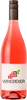
Winery Labastide de LevisEsprit de Labastide Brut Rosé
 Sparkling wine



This wine generally goes well with beef, lamb or mature and hard cheese.

Food and wine pairings with Esprit de Labastide Brut Rosé
Pairings that work perfectly with Esprit de Labastide Brut Rosé



Original food and wine pairings with Esprit de Labastide Brut Rosé

The Esprit de Labastide Brut Rosé of Winery Labastide de Levis matches generally quite well with dishes of beef, lamb or spicy food such as recipes of venison stew with red wine, lamb chops à la champvallon or shrimp curry (reunionese recipe).
Details and technical informations about Winery Labastide de Levis's Esprit de Labastide Brut Rosé.
Discover the grape variety: Duras
Structured, spicy reds with a sustained ruby robe, firm tannins and fresh acidity, with aromas of dark fruit (blackberry, blackcurrant), black pepper, spice, liquorice and balsamic notes. Dense palate, good ageing potential. Star of Gaillac AOC on the Tarn terraces (minimum 40% in reds, blended with Braucol and Syrah). Also in IGP Côtes du Tarn. Autochthonous variety of the French South-West, unrelated to the town of Duras (Lot-et-Garonne).
Informations about the Winery Labastide de Levis
The Winery Labastide de Levis is one of of the world's great estates. It offers 131 wines for sale in the of South West to come and discover on site or to buy online.

The wine region of South West
French mosaic of strong identities south of Bordeaux. Cahors and its Malbec ("black wine"): deep reds with notes of blackberry, plum, violet, tobacco and cocoa, firm tannins. Madiran and its dense, age-worthy Tannat. Jurançon whites: golden sweet (apricot, honey, pineapple) and lively dry from Petit Manseng.
The word of the wine: Sweet
Wine with a slightly sickening sweetness.