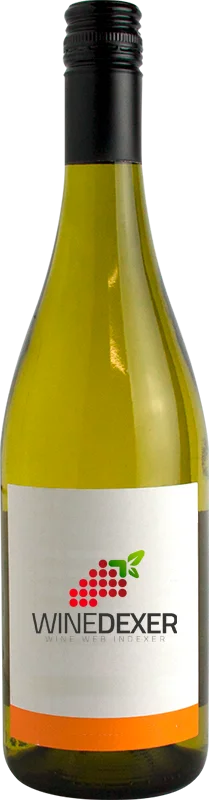
Winery La Torre del NanoDonnapaolina
 White wine



In the mouth this white wine is a with a nice freshness.
This wine generally goes well with vegetarian, appetizers and snacks or lean fish.
The Donnapaolina of the Winery La Torre del Nano is in the top 10 of wines of Marche.
Taste structure of the Donnapaolina from the Winery La Torre del Nano
Light | Bold | |
Dry | Sweet | |
Soft | Acidic |
In the mouth the Donnapaolina of Winery La Torre del Nano in the region of Marche is a with a nice freshness.
Food and wine pairings with Donnapaolina
Pairings that work perfectly with Donnapaolina



Original food and wine pairings with Donnapaolina


The Donnapaolina of Winery La Torre del Nano matches generally quite well with dishes of pasta, vegetarian or appetizers and snacks such as recipes of tagliatelle with foie gras, vegan leek and tofu quiche or peach and tuna verrine.
Details and technical informations about Winery La Torre del Nano's Donnapaolina.
Discover the grape variety: Durize
A very old variety, certainly originating from the Aosta Valley (Italy). According to published genetic analyses, it is directly related to the roussin and is the granddaughter of the cornalin from Valais. Nowadays, it is mainly cultivated in Switzerland and is practically endangered.
Last vintages of this wine
The best vintages of Donnapaolina from Winery La Torre del Nano are 0
Informations about the Winery La Torre del Nano
The Winery La Torre del Nano is one of of the world's greatest estates. It offers 5 wines for sale in the of Marche to come and discover on site or to buy online.

The wine region of Marche
Marche (or Le Marche; pronounced Mar-kay) is a region in eastern CentralItaly. It is most associated with white wines made from Trebbiano and Verdicchio grapes. Marche occupies a roughly triangular area. Its longer sides are formed by the Apennine Mountains to the west and the Adriatic Sea to the east.
The word of the wine: Heart-to-heart
Small stem from a quick bud that is removed during thinning.