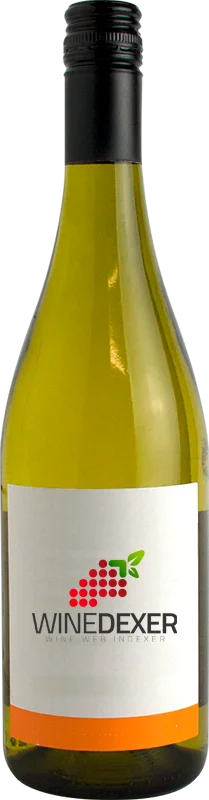
La Maison du MoulinPégase
 White wine



This wine generally goes well with

Wine flavors and olphactive analysis

Details and technical informations about La Maison du Moulin's Pégase.
Discover the grape variety: Tazzelenghe
Powerful, tannic reds for long ageing, with a deep purple robe, tight tannins and a dense palate with pronounced acidity, with signature aromas of black fruits (blackberry, blackcurrant), spices, Mediterranean herbs and balsamic notes. Distinctive Friulian character. Grown in the Colli Orientali del Friuli DOC. Autochthonous black Friulian variety, whose name means "tongue-cutter".
Last vintages of this wine
The best vintages of Pégase from La Maison du Moulin are 2018, 0
Informations about the La Maison du Moulin
The La Maison du Moulin is one of of the world's great estates. It offers 53 wines for sale in the of Vaud to come and discover on site or to buy online.

The wine region of Vaud
World reference for Chasselas (~60% of the vineyard). Mineral, delicate whites with signature notes of green apple, citrus, white flowers, fresh almond and a saline touch, low acidity and a silky palate. Maximum expression in Lavaux (UNESCO 2007) on Lake Geneva terraces. Also La Côte, Chablais and the iconic Dézaley.
The word of the wine: Tasting
Sensory analysis of the wine according to a precise procedure and steps, using an appropriate vocabulary.