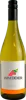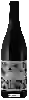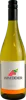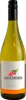
La Maison du MoulinArt
 wine
wine
This wine generally goes well with
The Art of the La Maison du Moulin is in the top 0 of wines of La Côte.

Details and technical informations about La Maison du Moulin's Art.
Discover the grape variety: Limnio
Structured, elegant reds with a deep ruby colour, firm, smooth tannins and an ample palate with fresh acidity, signature aromas of red fruits (cherry, raspberry), Mediterranean herbs (thyme, rosemary) and saline iodine notes. Ageing potential. Star of the great reds of the Aegean islands, especially on Limnos. Indigenous Greek black variety, one of the oldest cited (by Hesiod and Aristotle).
Informations about the La Maison du Moulin
The La Maison du Moulin is one of of the world's great estates. It offers 53 wines for sale in the of La Côte to come and discover on site or to buy online.

The wine region of La Côte
Largest Vaud wine appellation (52% of the canton), 2,007 ha arcing around Lake Geneva between Geneva and Lausanne. Signature Chasselas (90% of the traditional vineyard): lively, fruity whites with signature notes of white flowers, citrus, fresh almond and gunflint, taut, mineral palate — the Swiss aperitif wine par excellence. Also fine silky Pinot Noir, fruity Gamay in red. 14 AOC villages including Fechy, Mont-sur-Rolle, Luins.
The wine region of Vaud
World reference for Chasselas (~60% of the vineyard). Mineral, delicate whites with signature notes of green apple, citrus, white flowers, fresh almond and a saline touch, low acidity and a silky palate. Maximum expression in Lavaux (UNESCO 2007) on Lake Geneva terraces. Also La Côte, Chablais and the iconic Dézaley.
The word of the wine: Muscat blanc à petits grains
A white grape variety cultivated since antiquity on the shores of the Mediterranean, it is considered the noblest of the muscats. It is mainly used to make sweet wines, often from mutage. In France, it is the sole variety used in many natural sweet wines: muscat-de-frontignan, muscat-de-mireval, muscat-de-lunel, muscat-de-saint-jean-de-minervois, muscat-de-beaumes-de-venise, muscat-du-cap-corse. Combined with Muscat d'Alexandrie, it gives Muscat-de-Rivesaltes. It is also used to make sparkling white wines (clairette-de-die; moscato d'asti and asti spumante in Italy) and dry wines (alsace-muscat). Powerfully aromatic and complex, its wines evoke fresh grapes, roses, exotic fruits, citrus fruits and spices.