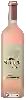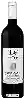
Winery La GuyennoiseDuc de Leo
 Red wine
This wine generally goes well with beef, veal or pasta.
Food and wine pairings with Duc de Leo
Pairings that work perfectly with Duc de Leo



Original food and wine pairings with Duc de Leo
The Duc de Leo of Winery La Guyennoise matches generally quite well with dishes of beef, pasta or veal such as recipes of pastasciutta (corsica), simple chinese noodle soup or beef mironton.
Details and technical informations about Winery La Guyennoise's Duc de Leo.
Discover the grape variety: Codivarta
Codivarta blanc is a grape variety that originated in France (Corsica). It produces a variety of grape specially used for the elaboration of wine. It is rare to find this grape to eat on our tables. This variety of grape is characterized by large bunches and large grapes. Codivarta blanc can be found cultivated in these vineyards: South West, Cognac, Bordeaux, Provence & Corsica, Rhone Valley.
Informations about the Winery La Guyennoise
The Winery La Guyennoise is one of wineries to follow in Aude.. It offers 675 wines for sale in the of Aude to come and discover on site or to buy online.

The wine region of Aude
The wine region of Aude is located in the region of Pays d'Oc of Vin de Pays of France. Wineries and vineyards like the Domaine Jeff Carrel or the Domaine Chevalier de Bayard produce mainly wines red, white and pink. The most planted grape varieties in the region of Aude are Merlot, Cabernet-Sauvignon and Chardonnay, they are then used in wines in blends or as a single variety. On the nose of Aude often reveals types of flavors of pineapple, black currant or floral and sometimes also flavors of tropical fruit, chard or earthy.
The wine region of Pays d'Oc
Pays d'Oc is the PGI for red, white and rosé wines that are produced over a wide area of the southern coast of France. The PGI catchment area corresponds roughly to the Languedoc-roussillon">Languedoc-Roussillon wine region, one of the largest wine regions in France. The area covers all wines that are not produced under the strict laws that govern AOC-level appellations in the regions: among them, Corbières, Minervois and the Languedoc appellation itself. The Pays d'Oc PGI is arguably the most important in France, producing the majority of the country's PGI wines.
The word of the wine: Flavours
There are generally four so-called fundamental flavours: acidity, bitterness, sweetness and saltiness. The first three are considered to be the building blocks of the structure of wines. They are perceived by the taste buds that cover the surface of the tongue.