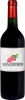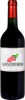
Winery KutmanAdnan Kutman Syrah
 Red wine


This wine generally goes well with beef, lamb or mature and hard cheese.
Food and wine pairings with Adnan Kutman Syrah
Pairings that work perfectly with Adnan Kutman Syrah



Original food and wine pairings with Adnan Kutman Syrah

The Adnan Kutman Syrah of Winery Kutman matches generally quite well with dishes of beef, lamb or spicy food such as recipes of pastasciutta (corsica), lamb kleftiko (greek) or navarin of lamb.
Details and technical informations about Winery Kutman's Adnan Kutman Syrah.
Discover the grape variety: Grolleau
Grolleau noir is a grape variety that originated in France (Loire Valley). It produces a variety of grape specially used for wine making. It is rare to find this grape to eat on our tables. This variety of grape is characterized by large bunches of grapes of medium size. Grolleau noir can be found in several vineyards: Loire Valley, South West, Cognac, Bordeaux, Provence & Corsica, Rhone Valley, Armagnac, Languedoc & Roussillon.
Last vintages of this wine
The best vintages of Adnan Kutman Syrah from Winery Kutman are 2010, 0
Informations about the Winery Kutman
The Winery Kutman is one of of the world's great estates. It offers 66 wines for sale in the of Thrace to come and discover on site or to buy online.

The wine region of Thrace
The wine region of Thrace of Greece. Wineries and vineyards like the Domaine Chamlija or the Château Kalpak produce mainly wines red, white and pink. The most planted grape varieties in the region of Thrace are Cabernet-Sauvignon, Merlot and Cabernet franc, they are then used in wines in blends or as a single variety. On the nose of Thrace often reveals types of flavors of cherry, grapefruit or black cherries and sometimes also flavors of jam, mint or prune.
The word of the wine: Local wine
Table wine, but with the origin indicated. It corresponds to a particular legislation: the freedom to use grape varieties is greater than for the AOC, but the quality criteria such as the approval tastings can sometimes be more demanding. The legislation is still evolving, but for the moment there are three levels: regional (e.g. Vin de Pays d'Oc), departmental and local (e.g. Côtes de Thongue).