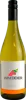
Kusunoki WineryHitakihara
 White wine



This wine generally goes well with vegetarian, poultry or rich fish (salmon, tuna etc).
The Hitakihara of the Kusunoki Winery is in the top 80 of wines of Nagano-ken.

Food and wine pairings with Hitakihara
Pairings that work perfectly with Hitakihara



Original food and wine pairings with Hitakihara


The Hitakihara of Kusunoki Winery matches generally quite well with dishes of rich fish (salmon, tuna etc), shellfish or sweet desserts such as recipes of pasta with tuna, blanquette of monkfish and scallops or very simple muffins.
Details and technical informations about Kusunoki Winery's Hitakihara.
Discover the grape variety: Aubun
Supple, alcoholic reds with a light ruby colour, soft tannins and a broad palate with moderate acidity, showing understated aromas of red and dark fruits with garrigue notes. Late ripening, vigorous and productive. Found in southern blends of Côtes-du-Rhône AOC and local IGPs, grown in Vaucluse, Gard, Var and Ardèche. Native Provençal black variety, probably originating from Vaucluse.
Last vintages of this wine
The best vintages of Hitakihara from Kusunoki Winery are 0
Informations about the Kusunoki Winery
The Kusunoki Winery is one of of the world's greatest estates. It offers 30 wines for sale in the of Nagano-ken to come and discover on site or to buy online.

The wine region of Nagano-ken
Alpine wine prefecture of central Japan (Honshu), the 2nd national region, high-altitude vineyards (600-900 m). Signature Merlot of Kikyogahara: supple, precise reds with signature notes of plum, cherry, sweet herbs, cedar and a cocoa touch, round tannins and elegant freshness — rivalling the Bordeaux wines. Renowned broad, mineral Chardonnay, fine and silky Pinot Noir. Also historic hybrid grapes (Concord, Niagara).
The word of the wine: Stopper (taste of)
A defect in the wine reminiscent of the smell and taste of mouldy cork.