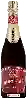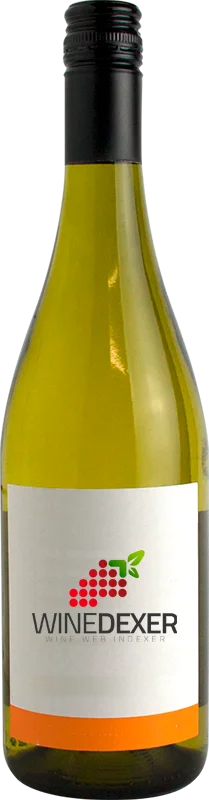
Winery Koblevo (Коблево)Select Muscat
 White wine



This wine generally goes well with spicy food and sweet desserts.

Food and wine pairings with Select Muscat
Pairings that work perfectly with Select Muscat


Original food and wine pairings with Select Muscat
The Select Muscat of Winery Koblevo (Коблево) matches generally quite well with dishes of spicy food or sweet desserts such as recipes of creole chipolatas or tiramisu (original recipe).
Details and technical informations about Winery Koblevo (Коблево)'s Select Muscat.
Discover the grape variety: Landal
Deeply colored, simple and fruity reds with a dark ruby robe, lightly firm tannins and a direct palate, showing signature aromas of red fruits (cherry, raspberry), gentle spices and herbaceous notes. Cold and disease resistant profile. Grown mainly in Canada (Quebec, Ontario) and the northeastern US for vineyards with harsh continental climates. French black hybrid obtained around 1933 by Pierre Landot (Landot 244).
Last vintages of this wine
The best vintages of Select Muscat from Winery Koblevo (Коблево) are 0, 2017, 2010
Informations about the Winery Koblevo (Коблево)
The Winery Koblevo (Коблево) is one of of the world's greatest estates. It offers 51 wines for sale in the of Crimea to come and discover on site or to buy online.

The wine region of Crimea
Historic Black Sea wine peninsula with centuries-old imperial tradition. Recognised speciality: Iberian-style fortified and sweet wines (Massandra, founded by Nicholas II in 1894), with signature notes of dried fruit, candied apricot, honey, walnut and caramel, exceptional long cellaring. Also dense Cabernet Sauvignon and deep Saperavi reds with black fruit, lively Aligoté whites, mineral Riesling and native Kokur. Identity grapes: Ekim Kara, Kefessia.
The word of the wine: Tanin
A natural compound contained in the skin of the grape, the seed or the woody part of the bunch, the stalk. The maceration of red wines allows the extraction of tannins, which give the texture, the solidity and also the mellowness when the tannins are "ripe". The winemaker seeks above all to extract the tannins from the skin, the ripest and most noble. The tannins of the seed or stalk, which are "greener", especially in average years, give the wine hardness and astringency. The wines of Bordeaux (based on Cabernet and Merlot) are full of tannins, those of Burgundy much less so, with Pinot Noir containing little.