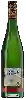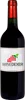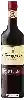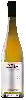
Winery Kloster PfortaNaumburger Roter Traminer Trocken
 White wine



In the mouth this white wine is a powerful.
This wine generally goes well with pork, poultry or rich fish (salmon, tuna etc).

Taste structure of the Naumburger Roter Traminer Trocken from the Winery Kloster Pforta
Light | Bold | |
Dry | Sweet | |
Soft | Acidic |
In the mouth the Naumburger Roter Traminer Trocken of Winery Kloster Pforta in the region of Saale-Unstrut is a powerful.
Food and wine pairings with Naumburger Roter Traminer Trocken
Pairings that work perfectly with Naumburger Roter Traminer Trocken



Original food and wine pairings with Naumburger Roter Traminer Trocken


The Naumburger Roter Traminer Trocken of Winery Kloster Pforta matches generally quite well with dishes of pork, rich fish (salmon, tuna etc) or spicy food such as recipes of coconut beans, potato and tuna gratin or kefta.
Details and technical informations about Winery Kloster Pforta's Naumburger Roter Traminer Trocken.
Discover the grape variety: Moscatello Selvatico
Aromatic and structured muscat whites with a pale golden robe, an ample and perfumed palate with preserved acidity, showing powerful muscat signature aromas (rose, fresh grape), white flowers (orange blossom), exotic fruits (lychee), honey and Apulian notes. Intense southern profile. Grown mainly in the province of Bari, featured in aromatic Apulian blends dry or sweet. Native white Italian grape from Apulia, probable parent of Moscato di Alessandria.
Last vintages of this wine
The best vintages of Naumburger Roter Traminer Trocken from Winery Kloster Pforta are 2013, 0
Informations about the Winery Kloster Pforta
The Winery Kloster Pforta is one of of the world's great estates. It offers 53 wines for sale in the of Saale-Unstrut to come and discover on site or to buy online.

The wine region of Saale-Unstrut
Germany's northernmost region (Saxony-Anhalt), ~650 ha. Nordic whites that are dry, lively and mineral with signature notes of green apple, citrus, white flowers, fresh herbs and a crisp finish — a direct, thirst-quenching style. Dominant Muller-Thurgau (~22%) light and floral, Weissburgunder (Pinot Blanc) round and precise, herbaceous Silvaner and taut Riesling. Early grapes suited to the harsh continental climate.
The word of the wine: Aging
Period during which a wine is kept in a cellar where it goes through different phases of evolution of its aromatic range and a maturation of its constituents (evolution of the colour, refining of the tannins, harmonization of the different flavours, etc.). The wine evolves better and less quickly in large containers, whereas it deteriorates prematurely in half-bottles.