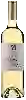
Winery Kloster FahrHumilitas Riesling - Sylvaner
 White wine


This wine is a blend of 2 varietals which are the Riesling and the Sylvaner.
This wine generally goes well with pork, vegetarian or poultry.
Food and wine pairings with Humilitas Riesling - Sylvaner
Pairings that work perfectly with Humilitas Riesling - Sylvaner



Original food and wine pairings with Humilitas Riesling - Sylvaner



The Humilitas Riesling - Sylvaner of Winery Kloster Fahr matches generally quite well with dishes of pork, rich fish (salmon, tuna etc) or spicy food such as recipes of rabbit in sauce, avocado and marinated tuna poke bowl or shrimp risotto with curry.
Details and technical informations about Winery Kloster Fahr's Humilitas Riesling - Sylvaner.
Discover the grape variety: Riesling
White Riesling is a grape variety that originated in France (Alsace). It produces a variety of grape specially used for the elaboration of wine. It is rare to find this grape to eat on our tables. This variety of grape is characterized by small bunches, and small grapes. White Riesling can be found in many vineyards: Alsace, Loire Valley, Languedoc & Roussillon, Lorraine, Provence & Corsica, Rhone Valley, Savoie & Bugey, Beaujolais, South West.
Last vintages of this wine
The best vintages of Humilitas Riesling - Sylvaner from Winery Kloster Fahr are 0
Informations about the Winery Kloster Fahr
The Winery Kloster Fahr is one of of the world's greatest estates. It offers 13 wines for sale in the of Zürich to come and discover on site or to buy online.

The wine region of Zürich
Zurich is a Swiss cantonal wine region covering all winegrowing sub-regions and vineyards within the borders of the Zurich canton. It is one of the more productive cantonal appellations in the German-speaking Northern Part of Switzerland. The main viticultural area here arches to the north, above the city of Winterthur, stretching up to Schaffhausen and even crossing the Rhine briefly around Eglisau, Rafz, Rudlingen, Wil and Huntwagen. This area is generally known as Zurcher Weinland, although as an area it is not precisely demarcated.
The word of the wine: Powerful
Rich, full-bodied, corpulent wine.