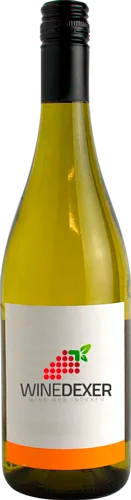
The Winery Kloster Engelberg of Bielersee of Neuchâtel

The Winery Kloster Engelberg is one of the best wineries to follow in Bielersee.. It offers 1 wines for sale in of Bielersee to come and discover on site or to buy online.
Looking for the best Winery Kloster Engelberg wines in Bielersee among all the wines in the region? Check out our tops of the best red, white or effervescent Winery Kloster Engelberg wines. Also find some food and wine pairings that may be suitable with the wines from this area. Learn more about the region and the Winery Kloster Engelberg wines with technical and enological descriptions.
How Winery Kloster Engelberg wines pair with each other generally quite well with dishes of poultry, lean fish or mild and soft cheese such as recipes of pancake batter, sublime fish and shrimp colombo or pasta with 4 cheese sauce.
In the mouth the white wine of Winery Kloster Engelberg. is a with a nice freshness.
The wine region of Bielersee is located in the region of Neuchâtel of Switzerland. Wineries and vineyards like the Domaine Beat Burkhardt - Weingut Bielerhaus Ligerz or the Domaine Hämmerli produce mainly wines white, red and pink. The most planted grape varieties in the region of Bielersee are Pinot noir, Chasselas and Chardonnay, they are then used in wines in blends or as a single variety. On the nose of Bielersee often reveals types of flavors of microbio, tree fruit or citrus fruit and sometimes also flavors of oak, red fruit or black fruit.
In the mouth of Bielersee is a with a nice freshness. We currently count 38 estates and châteaux in the of Bielersee, producing 203 different wines in conventional, organic and biodynamic agriculture. The wines of Bielersee go well with generally quite well with dishes of beef, veal or game (deer, venison).
Planning a wine route in the of Bielersee? Here are the wineries to visit and the winemakers to meet during your trip in search of wines similar to Winery Kloster Engelberg.
It is said to be of Austrian origin, from the Tyrol to be precise, and for some it comes from Franconia in Germany. Some ampelographers consider that Frankenthal and Kavcina crna or Zametovka grown in Slovenia are identical, with perhaps only a few clonal differences, which have yet to be confirmed, although it is true that they all have a large number of synonyms in common. Frankenthal can still be found in Belgium, the Netherlands, Germany, Austria, Hungary, Slovenia, Croatia, Italy, Portugal, England, Chile and Australia. For a long time, it was cultivated under greenhouses as a table grape in the North, East and West of France. Today, it has been almost abandoned and is therefore in danger of disappearing.