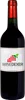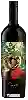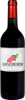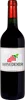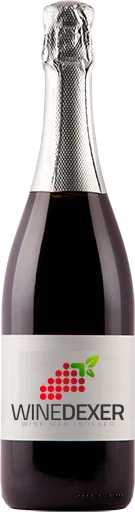
Winery KiriginCalifornia Champagne
 Sparkling wine



In the mouth this sparkling wine is a powerful with fine and regular bubbles.
This wine generally goes well with appetizers and snacks, lean fish or shellfish.

Taste structure of the California Champagne from the Winery Kirigin
Light | Bold | |
Soft | Acidic | |
Gentle | Fizzy |
In the mouth the California Champagne of Winery Kirigin in the region of California is a powerful with fine and regular bubbles.
Food and wine pairings with California Champagne
Pairings that work perfectly with California Champagne



Original food and wine pairings with California Champagne

The California Champagne of Winery Kirigin matches generally quite well with dishes of shellfish, appetizers and snacks or lean fish such as recipes of marinated shrimp sautéed asian style, chorizo rillettes or cod with green onion.
Details and technical informations about Winery Kirigin's California Champagne.
Discover the grape variety: Lambrusco montericco
Lively and fruity sparkling reds with a clear ruby robe and pink foam, soft tannins and a lively effervescent palate with well-marked acidity, signature aromas of red fruits (cherry, strawberry), violet and floral notes. Often blended with Lambrusco Salamino and Maestri, contributes to the reputed Lambrusco di Sorbara DOC of Reggio Emilia. Lambrusco variety grown in Emilia-Romagna.
Last vintages of this wine
The best vintages of California Champagne from Winery Kirigin are 0
Informations about the Winery Kirigin
The Winery Kirigin is one of of the world's great estates. It offers 22 wines for sale in the of California to come and discover on site or to buy online.

The wine region of California
Powerful, sunny reds: dense Napa Cabernet Sauvignon (blackcurrant, chocolate, tobacco, ample tannins), spicy, jammy Zinfandel from the Sierra Foothills, silky red-fruited Pinot Noir on the cool coast (Sonoma, Russian River, Central Coast). Opulent, buttery Chardonnay, notes of yellow fruit and vanilla. Varied climate, from the hot interior to the Pacific-cooled coast. 80% of US production, 139 AVAs including Napa (1st AVA, 1981).
The word of the wine: Tertiary aromas
Aromas resulting from the aging of the wine in the bottle. The aromas evolve with time, from fresh fruitiness to notes of stewed, candied or dried fruit, to aromas of venison or undergrowth.