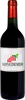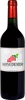
Winery Karl BuschBio Spätburgunder *** Trocken
 Red wine



In the mouth this red wine is a with a nice freshness.
This wine generally goes well with poultry, beef or veal.

Taste structure of the Bio Spätburgunder *** Trocken from the Winery Karl Busch
Light | Bold | |
Smooth | Tannic | |
Dry | Sweet | |
Soft | Acidic |
In the mouth the Bio Spätburgunder *** Trocken of Winery Karl Busch in the region of Württemberg is a with a nice freshness.
Food and wine pairings with Bio Spätburgunder *** Trocken
Pairings that work perfectly with Bio Spätburgunder *** Trocken



Original food and wine pairings with Bio Spätburgunder *** Trocken

The Bio Spätburgunder *** Trocken of Winery Karl Busch matches generally quite well with dishes of beef, veal or game (deer, venison) such as recipes of fondue vigneronne au vin rouge, pork tenderloin with chorizo and peppers or rabbit provencale (mario style).
Details and technical informations about Winery Karl Busch's Bio Spätburgunder *** Trocken.
Discover the grape variety: Cococciola
Crisp, aromatic dry whites with a pale golden colour, a lean palate and fresh acidity showing citrus (lemon, grapefruit), white flowers, white-fleshed fruits and Adriatic mineral notes. Also made as fresh sparkling wines (spumante). Enjoying a quality revival among Abruzzese producers who vinify it as a single variety around Chieti.
Last vintages of this wine
The best vintages of Bio Spätburgunder *** Trocken from Winery Karl Busch are 0
Informations about the Winery Karl Busch
The Winery Karl Busch is one of of the world's greatest estates. It offers 31 wines for sale in the of Württemberg to come and discover on site or to buy online.

The wine region of Württemberg
Rare predominantly red region in Germany (nearly 70%). Supple, fruity everyday reds: light, crisp Trollinger (Schiava) with red fruits, more structured, spicy, deep Lemberger (Blaufränkisch), generous Schwarzriesling (Pinot Meunier). Riesling king of whites (>2,000 ha), lively and mineral, citrus and green apple. Germany's 4th region (11,500 ha) on the Neckar slopes around Heilbronn and Stuttgart.
The word of the wine: Oenophile
A person who is interested in the world of wine and more particularly in wine tasting.