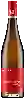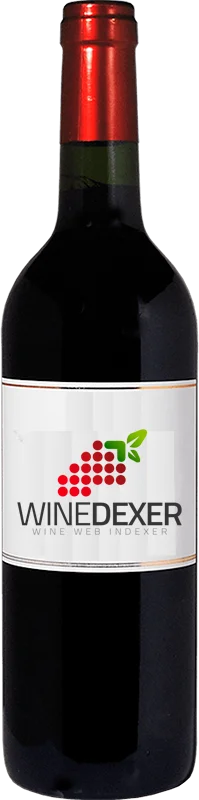
Winery Justus SteineicherSpätburgunder Trocken
 Red wine


In the mouth this red wine is a with a nice freshness.
This wine generally goes well with poultry, beef or veal.

Taste structure of the Spätburgunder Trocken from the Winery Justus Steineicher
Light | Bold | |
Smooth | Tannic | |
Dry | Sweet | |
Soft | Acidic |
In the mouth the Spätburgunder Trocken of Winery Justus Steineicher in the region of Baden is a with a nice freshness.
Food and wine pairings with Spätburgunder Trocken
Pairings that work perfectly with Spätburgunder Trocken



Original food and wine pairings with Spätburgunder Trocken

The Spätburgunder Trocken of Winery Justus Steineicher matches generally quite well with dishes of beef, veal or game (deer, venison) such as recipes of traditional hungarian goulash, tournedos rossini with port sauce or paella valenciana (without seafood).
Details and technical informations about Winery Justus Steineicher's Spätburgunder Trocken.
Discover the grape variety: Piquepoul
Languedoc family with very high acidity, aromatic signature of southern France. Piquepoul Blanc gives lively, saline whites (Picpoul de Pinet AOC) with notes of citrus, white flowers and marine iodine, ideal with oysters. Piquepoul Noir gives fruity, fresh reds, one of the thirteen authorised varieties at Châteauneuf-du-Pape. French autochthonous variety from Languedoc, in white, black and grey versions.
Last vintages of this wine
The best vintages of Spätburgunder Trocken from Winery Justus Steineicher are 0, 2016
Informations about the Winery Justus Steineicher
The Winery Justus Steineicher is one of of the world's greatest estates. It offers 5 wines for sale in the of Baden to come and discover on site or to buy online.

The wine region of Baden
German capital of Pinot Noir (Spätburgunder): silky, fine reds with notes of red fruits, cherry, undergrowth and sweet spices, melted tannins. Round Grauburgunder (Pinot Gris), lively Weissburgunder, supple Müller-Thurgau, mineral Riesling. Germany's 3rd region (15,000 ha) in Baden-Württemberg facing Alsace, one of the country's warmest climates, volcanic soils at the Kaiserstuhl. Cradle of modern great German reds, elegant and fine.
The word of the wine: Passerillage
Concentration of the grape by drying out, under the influence of wind or sun, as opposed to botrytisation, which is the concentration obtained by the development of the "noble rot" for which Botrytis cinerea is responsible. The word is mainly used for sweet wines.