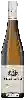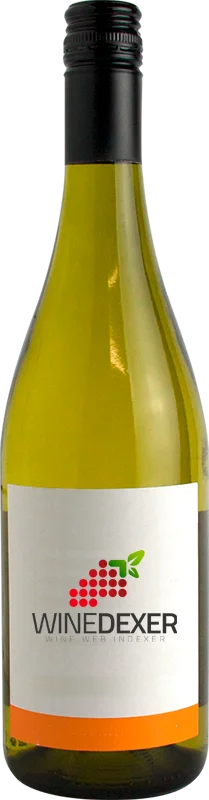
Winery Julius Ferdinand KimichParadiesgarten Halbtrocken
 White wine



This wine generally goes well with pork, vegetarian or poultry.

Food and wine pairings with Paradiesgarten Halbtrocken
Pairings that work perfectly with Paradiesgarten Halbtrocken



Original food and wine pairings with Paradiesgarten Halbtrocken



The Paradiesgarten Halbtrocken of Winery Julius Ferdinand Kimich matches generally quite well with dishes of pork, rich fish (salmon, tuna etc) or spicy food such as recipes of bare-assed cockerel (ardennes), sardines moroccan style or monkfish (anglerfish) à la sétoise.
Details and technical informations about Winery Julius Ferdinand Kimich's Paradiesgarten Halbtrocken.
Discover the grape variety: Riesling
Crystalline, taut whites with vibrant acidity and aromas of citrus, green apple, white flowers, vineyard peach and mineral/petrol notes with age. Made as dry (Trocken, Alsace), off-dry (Kabinett, Spätlese) and sweet (Auslese, Beerenauslese, Trockenbeerenauslese, late harvest). Star of the Moselle, Rheingau, Alsace AOC and Wachau. Also exported to Clare Valley and Finger Lakes.
Last vintages of this wine
The best vintages of Paradiesgarten Halbtrocken from Winery Julius Ferdinand Kimich are 0
Informations about the Winery Julius Ferdinand Kimich
The Winery Julius Ferdinand Kimich is one of of the world's great estates. It offers 71 wines for sale in the of Pfalz to come and discover on site or to buy online.

The wine region of Pfalz
Fleshy, dry, fruity Riesling is the region's signature: yellow peach, apricot, ripe citrus, lovely mineral tension. Germany's largest red-wine area (40%), with silky Spätburgunder showing red fruit and spice, darker structured Dornfelder, supple Portugieser. Some rounded Pinot Blanc and Pinot Gris. A 23,640 ha vineyard along the Haardt, among Germany's warmest (>2,000 h of sun).
The word of the wine: Ugni blanc
White grape variety of Italian origin, and the main white variety grown in France. Its large bunches give fine, light and lively wines, suitable for distillation: today it is the main variety for making cognac and armagnac. Ugni blanc, which is a little richer in alcohol when grown in Mediterranean regions, is used in the blending of the Provence and Corsica appellations, often in association with other grape varieties that bring aromas and structure, such as clairette, grenache blanc or sauvignon. Ugni blanc is also used, on a secondary basis, in the production of certain white wines in Gironde (AOC Bordeaux, Entre-deux-Mers, etc.).