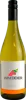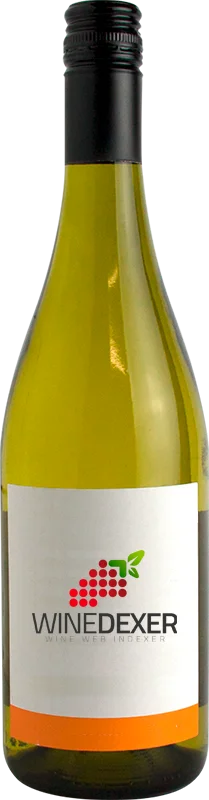
Winery José Maria da FonsecaQuinta de Camarate Branco Dolce
 Sweet wine


This wine is a blend of 2 varietals which are the Alvarinho and the Loureiro.
This wine generally goes well with
The Quinta de Camarate Branco Dolce of the Winery José Maria da Fonseca is in the top 80 of wines of Península de Setúbal.

Wine flavors and olphactive analysis




On the nose the Quinta de Camarate Branco Dolce of Winery José Maria da Fonseca in the region of Península de Setúbal often reveals types of flavors of pineapple, tropical or vanilla and sometimes also flavors of non oak, microbio or oak.
Details and technical informations about Winery José Maria da Fonseca's Quinta de Camarate Branco Dolce.
Discover the grape variety: Alvarinho
Lively, aromatic whites with cutting acidity and a slender mouth, featuring intense aromas of citrus, white peach, apricot, white flowers, passion fruit and iodised Atlantic saline notes. Tonic, long finish. The absolute star of the Monção e Melgaço sub-region (Vinho Verde DOC), it signs the finest Portuguese Vinho Verde. Also made as a single variety in the Douro. The Portuguese name for Galician Albariño, native to the northwest Iberian peninsula.
Last vintages of this wine

The best vintages of Quinta de Camarate Branco Dolce from Winery José Maria da Fonseca are 2019, 2016, 2015, 2017 and 2018.
Informations about the Winery José Maria da Fonseca
The Winery José Maria da Fonseca is one of of the world's great estates. It offers 106 wines for sale in the of Península de Setúbal to come and discover on site or to buy online.

The wine region of Península de Setúbal
Portuguese peninsula south of Lisbon between the Tagus and Sado estuaries. World-renowned speciality: Moscatel de Setúbal, a golden fortified sweet wine with signature notes of candied orange, dried apricot, honey, fig, currant and sweet spices, long ageing — the rare Roxo version has more floral notes. Also fruity, supple Castelão reds (64%) (blackberry, plum), perfumed Touriga Nacional. Oceanic climate.
The word of the wine: Long
Wine with persistence in the mouth. This persistence in the mouth of a wine is measured in caudalies.