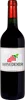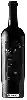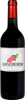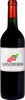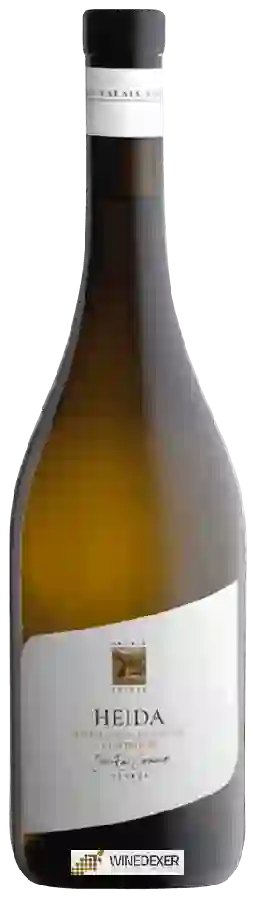
Winery Jean-René GermanierHeida
 White wine


This wine generally goes well with vegetarian, rich fish (salmon, tuna etc) or shellfish.
The Heida of the Winery Jean-René Germanier is in the top 10 of wines of Valais.

Wine flavors and olphactive analysis

On the nose the Heida of Winery Jean-René Germanier in the region of Valais often reveals types of flavors of earth, citrus fruit.
Food and wine pairings with Heida
Pairings that work perfectly with Heida



Original food and wine pairings with Heida
The Heida of Winery Jean-René Germanier matches generally quite well with dishes of rich fish (salmon, tuna etc), shellfish or vegetarian such as recipes of smoked salmon burger - chive cream, monkfish in foil or quiche without pastry.
Details and technical informations about Winery Jean-René Germanier's Heida.
Discover the grape variety: Prunelar
Fruity and fresh reds for early drinking, ruby colour, soft tannins and light mouth with fresh acidity, with signature aromas of red fruits (cherry, sloe), sweet spices and floral notes. Patrimonial South-West profile. Preserved in a few heritage plots and varietal collections, studied as a witness of pre-phylloxera South-West ampelography. Rare autochthonous French black grape from Tarn and Quercy.
Last vintages of this wine

The best vintages of Heida from Winery Jean-René Germanier are 2016, 2017, 2018, 2014 and 0.
Informations about the Winery Jean-René Germanier
The Winery Jean-René Germanier is one of of the world's great estates. It offers 71 wines for sale in the of Valais to come and discover on site or to buy online.

The wine region of Valais
Switzerland's largest vineyard, capital of native grapes. Straight, precise alpine whites: light, floral Chasselas (Fendant), signature Petite Arvine with saline, grapefruit and rhubarb notes, rich, apricoty Amigne, mineral Humagne Blanche. Altitude reds: fine Pinot Noir, crisp Gamay, native Cornalin and Humagne Rouge, spicy and deep. Highly precise alpine age-worthy wines.
The word of the wine: Vitis vinifera
The main species of vine cultivated in Europe and throughout the world, the origin of most of the great grape varieties.