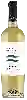
Winery Vigne di San DonaciRosso
 Red wine


In the mouth this red wine is a powerful.
This wine generally goes well with beef, lamb or pasta.

Taste structure of the Rosso from the Winery Vigne di San Donaci
Light | Bold | |
Smooth | Tannic | |
Dry | Sweet | |
Soft | Acidic |
In the mouth the Rosso of Winery Vigne di San Donaci in the region of Puglia is a powerful.
Food and wine pairings with Rosso
Pairings that work perfectly with Rosso



Original food and wine pairings with Rosso
The Rosso of Winery Vigne di San Donaci matches generally quite well with dishes of beef, pasta or lamb such as recipes of beef tagliata with truffle oil, pasta with asparagus and chicken or semolina-merguez salad.
Details and technical informations about Winery Vigne di San Donaci's Rosso.
Discover the grape variety: Durella
Lively and structured dry whites with a pale golden robe and green highlights, a lean palate with very high acidity, showing signature aromas of citrus (lemon, grapefruit), green apple, white flowers and volcanic mineral notes. Also as taut and refreshing traditional-method sparkling wines. Star of Lessini Durello DOC, particularly suited to high-altitude sparkling wines. Native white Italian grape from Veneto, grown in the province of Verona on the Monti Lessini.
Last vintages of this wine

The best vintages of Rosso from Winery Vigne di San Donaci are 0, 2016
Informations about the Winery Vigne di San Donaci
The Winery Vigne di San Donaci is one of of the world's great estates. It offers 13 wines for sale in the of Puglia to come and discover on site or to buy online.

The wine region of Puglia
Heel of the boot, 80% red vineyard, sunny and generous. Fleshy, jammy Primitivo (= Zinfandel) with notes of black cherry, plum, chocolate and spices, powerful alcohol and melted tannins, a star in Primitivo di Manduria. Deep, structured Negroamaro (black-bitter) with a bitter finish in Salice Salentino. Structured Nero di Troia, spicy Susumaniello.
The word of the wine: Private cellar
A term that designates an estate or a château belonging to a winegrower or a family, as opposed to a cooperative cellar that brings together member winegrowers.