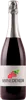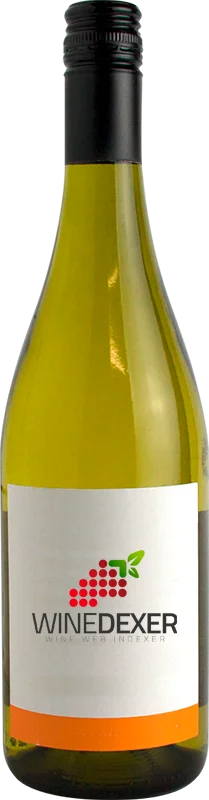
Winery Santa TresaFiano
 White wine


In the mouth this white wine is a powerful.
This wine generally goes well with vegetarian, appetizers and snacks or shellfish.

Taste structure of the Fiano from the Winery Santa Tresa
Light | Bold | |
Dry | Sweet | |
Soft | Acidic |
In the mouth the Fiano of Winery Santa Tresa in the region of Sicily is a powerful.
Food and wine pairings with Fiano
Pairings that work perfectly with Fiano



Original food and wine pairings with Fiano
The Fiano of Winery Santa Tresa matches generally quite well with dishes of shellfish, vegetarian or appetizers and snacks such as recipes of mussels with curry, quiche without pastry, courgette and blue cheese or tuna rillettes.
Details and technical informations about Winery Santa Tresa's Fiano.
Discover the grape variety: Frappato
Light, elegant reds with a clear ruby colour and violet hints, soft tannins and a fresh palate, showing signature aromas of red fruits (cherry, strawberry, raspberry), flowers (violet, rose), soft spices and Mediterranean herbal notes. An airy style to drink young or with short ageing. Star of Cerasuolo di Vittoria DOCG in blends with Nero d'Avola, also made as a single variety. Indigenous Italian variety from south-eastern Sicily (Ragusa province).
Last vintages of this wine
The best vintages of Fiano from Winery Santa Tresa are 2013, 0
Informations about the Winery Santa Tresa
The Winery Santa Tresa is one of of the world's great estates. It offers 19 wines for sale in the of Sicily to come and discover on site or to buy online.

The wine region of Sicily
Major qualitative renewal. Sunny, expressive reds: fleshy, spicy Nero d'Avola (black cherry, blackberry, liquorice), fine, mineral Nerello Mascalese on Etna (recalls Pinot Noir), light, crisp Frappato in Cerasuolo di Vittoria DOCG. Lively, saline whites: Catarratto, fat, iodised Grillo, taut Carricante, floral Inzolia. Amber, walnutty fortified Marsala.
The word of the wine: Roussette
See highness.