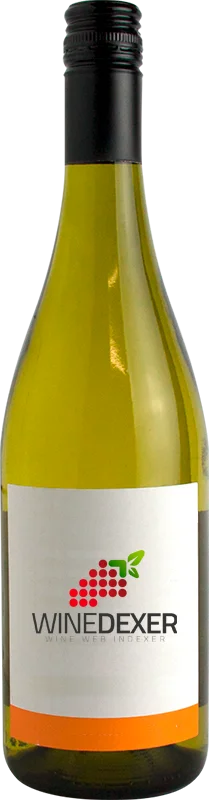
Winery MasiTrebbiano Rubicone
 White wine
In the mouth this white wine is a with a nice freshness.
This wine generally goes well with vegetarian, appetizers and snacks or lean fish.
Taste structure of the Trebbiano Rubicone from the Winery Masi
Light | Bold | |
Dry | Sweet | |
Soft | Acidic |
In the mouth the Trebbiano Rubicone of Winery Masi in the region of Tuscany is a with a nice freshness.
Food and wine pairings with Trebbiano Rubicone
Pairings that work perfectly with Trebbiano Rubicone



Original food and wine pairings with Trebbiano Rubicone


The Trebbiano Rubicone of Winery Masi matches generally quite well with dishes of pasta, vegetarian or appetizers and snacks such as recipes of pasta with zucchini, light tuna-tomato quiche (without cream) or lupine seeds for kemia (the aperitif).
Details and technical informations about Winery Masi's Trebbiano Rubicone.
Discover the grape variety: Rosé du Var
Rosé du Var rosé is a grape variety that originated in France (Provence). It produces a variety of grape specially used for wine making. It is rare to find this grape to eat on our tables. Rosé du Var rosé can be found in several vineyards: South-West, Cognac, Bordeaux, Provence & Corsica, Rhone Valley, Loire Valley, Savoie & Bugey, Beaujolais, Languedoc & Roussillon.
Informations about the Winery Masi
The Winery Masi is one of of the world's great estates. It offers 103 wines for sale in the of Tuscany to come and discover on site or to buy online.

The wine region of Tuscany
Tuscany is one of the most famous and prolific wine regions in Europe. It is best known for its Dry red wines made from Sangiovese grapes, which dominate production. These include Chianti, Brunello di Montalcino and Vino Nobile di Montepulciano. The region's Vin Santo is also highly prized, as are its passito dessert wines, though these are produced in comparatively tiny quantities.
The word of the wine: Ancestral method
A method of making certain sparkling wines such as blanquette de Limoux, sparkling gaillac or clairette de Die, which consists of a second fermentation in the bottle based on natural sugars and yeasts naturally brought by the grapes (unlike the méthode champenoise, which requires the addition of tirage liquor).