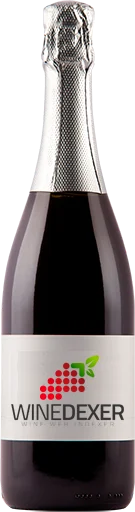
Winery FidoraTenuta Collagù Valdobbiadene Prosecco Superiore Brut
 Sparkling wine


In the mouth this sparkling wine is a with a nice vivacity and a fine and pleasant bubble.
This wine generally goes well with vegetarian, appetizers and snacks or shellfish.

Taste structure of the Tenuta Collagù Valdobbiadene Prosecco Superiore Brut from the Winery Fidora
Light | Bold | |
Soft | Acidic | |
Gentle | Fizzy |
In the mouth the Tenuta Collagù Valdobbiadene Prosecco Superiore Brut of Winery Fidora in the region of Veneto is a with a nice vivacity and a fine and pleasant bubble.
Wine flavors and olphactive analysis


On the nose the Tenuta Collagù Valdobbiadene Prosecco Superiore Brut of Winery Fidora in the region of Veneto often reveals types of flavors of tropical, citrus or green apple and sometimes also flavors of earth, tree fruit or citrus fruit.
Food and wine pairings with Tenuta Collagù Valdobbiadene Prosecco Superiore Brut
Pairings that work perfectly with Tenuta Collagù Valdobbiadene Prosecco Superiore Brut



Original food and wine pairings with Tenuta Collagù Valdobbiadene Prosecco Superiore Brut


The Tenuta Collagù Valdobbiadene Prosecco Superiore Brut of Winery Fidora matches generally quite well with dishes of shellfish, vegetarian or appetizers and snacks such as recipes of calamari with chorizo, leek, goat cheese and bacon quiche or patatas bravas (fried potatoes with spicy tomato sauce).
Details and technical informations about Winery Fidora's Tenuta Collagù Valdobbiadene Prosecco Superiore Brut.
Discover the grape variety: Vaccareze
Crisp, aromatic dry whites with a pale golden colour, a lean palate and preserved acidity showing citrus (lemon, grapefruit), white flowers (acacia) and Rhodanian herbaceous notes. An airy profile bringing freshness to blends. A traditional component of Châteauneuf-du-Pape AOC (one of the 13 authorised varieties) and the white wines of the Côtes-du-Rhône.
Last vintages of this wine
The best vintages of Tenuta Collagù Valdobbiadene Prosecco Superiore Brut from Winery Fidora are 2018, 2016
Informations about the Winery Fidora
The Winery Fidora is one of of the world's greatest estates. It offers 17 wines for sale in the of Conegliano-Valdobbiadene Prosecco to come and discover on site or to buy online.

The wine region of Conegliano-Valdobbiadene Prosecco
Pinnacle of Italian Prosecco (DOCG, 2009, UNESCO): signature Glera as the sparkling white king — fine and elegant with notes of golden apple, white peach, pear, citrus, jasmine, wisteria and an almond touch, fine persistent bubbles, sometimes a saline finish (Rive and Cartizze). Charmat method, Brut/Extra Dry/Dry styles. Steep slopes between Conegliano and Valdobbiadene in Veneto, calcareous morainic soils. For aperitif and celebrations, more mineral than Prosecco DOC.
The wine region of Veneto
World star of Prosecco: fresh, light Glera sparklers with notes of pear, green apple and white flowers, fruity, convivial bubbles. Veronese reds from Corvina and Rondinella: light, crisp Bardolino, fruity Valpolicella, opulent, concentrated Amarone DOCG (black cherry, chocolate, raisin) from dried grapes. Mineral, almondy Soave (Garganega) whites, fresh Pinot Grigio. 97,500 ha, Italy's largest production.
The word of the wine: Gutedel
See chasselas.





