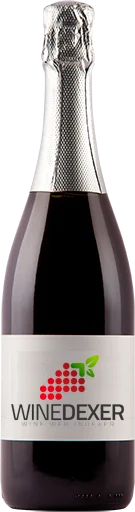
Winery Carpenè MalvoltiProsecco Superiore Conegliano Valdobbiadene Brut
 Sparkling wine



In the mouth this sparkling wine is a with a nice vivacity and a fine and pleasant bubble.
This wine generally goes well with vegetarian, appetizers and snacks or shellfish.
Taste structure of the Prosecco Superiore Conegliano Valdobbiadene Brut from the Winery Carpenè Malvolti
Light | Bold | |
Soft | Acidic | |
Gentle | Fizzy |
In the mouth the Prosecco Superiore Conegliano Valdobbiadene Brut of Winery Carpenè Malvolti in the region of Veneto is a with a nice vivacity and a fine and pleasant bubble.
Wine flavors and olphactive analysis





On the nose the Prosecco Superiore Conegliano Valdobbiadene Brut of Winery Carpenè Malvolti in the region of Veneto often reveals types of flavors of cream, grapefruit or citrus and sometimes also flavors of apples, peach or green apple.
Food and wine pairings with Prosecco Superiore Conegliano Valdobbiadene Brut
Pairings that work perfectly with Prosecco Superiore Conegliano Valdobbiadene Brut



Original food and wine pairings with Prosecco Superiore Conegliano Valdobbiadene Brut


The Prosecco Superiore Conegliano Valdobbiadene Brut of Winery Carpenè Malvolti matches generally quite well with dishes of shellfish, vegetarian or appetizers and snacks such as recipes of shrimp curry (reunionese recipe), zucchini quiche or roasted bananas with cured ham.
Details and technical informations about Winery Carpenè Malvolti's Prosecco Superiore Conegliano Valdobbiadene Brut.
Discover the grape variety: Cabernet franc
Cabernet Franc is one of the oldest red grape varieties in Bordeaux. The Libourne region is its terroir where it develops best. The terroirs of Saint-Emilion and Fronsac allow it to mature and develop its best range of aromas. It is also the majority in many blends. The very famous Château Cheval Blanc, for example, uses 60% Cabernet Franc. The wines produced with Cabernet Franc are medium in colour with fine tannins and subtle aromas of small red fruits and spices. When blended with Merlot and Cabernet Sauvignon, it brings complexity and a bouquet of aromas to the wine. It produces fruity wines that can be drunk quite quickly, but whose great vintages can be kept for a long time. It is an earlier grape variety than Cabernet Sauvignon, which means that it is planted as far north as the Loire Valley. In Anjou, it is also used to make sweet rosé wines. Cabernet Franc is now used in some twenty countries in Europe and throughout the world.
Last vintages of this wine
The best vintages of Prosecco Superiore Conegliano Valdobbiadene Brut from Winery Carpenè Malvolti are 2009, 2006, 2014, 2016 and 1868.
Informations about the Winery Carpenè Malvolti
The Winery Carpenè Malvolti is one of of the world's greatest estates. It offers 33 wines for sale in the of Conegliano-Valdobbiadene Prosecco to come and discover on site or to buy online.

The wine region of Conegliano-Valdobbiadene Prosecco
The wine region of Conegliano-Valdobbiadene Prosecco is located in the region of Prosecco of Vénétie of Italy. Wineries and vineyards like the Domaine Andrea da Ponte or the Domaine Rebuli produce mainly wines sweet and sparkling. On the nose of Conegliano-Valdobbiadene Prosecco often reveals types of flavors of tree fruit, citrus fruit. In the mouth of Conegliano-Valdobbiadene Prosecco is a with a nice vivacity and a fine and pleasant bubble.
The wine region of Veneto
Veneto is an important and growing wine region in northeastern Italy. Veneto is administratively Part of the Triveneto area, aLong with its smaller neighbors, Trentino-Alto Adige and Friuli-Venezia Giulia. In terms of geography, culture and wine styles, it represents a transition from the Alpine and Germanic-Slavic end of Italy to the warmer, drier, more Roman lands to the South. Veneto is slightly smaller than the other major Italian wine regions - Piedmont, Tuscany, Lombardy, Puglia and Sicily - but it produces more wine than any of them.
The word of the wine: Olfaction
Perception of odours and aromas by the olfactory bulb. Retroolfaction is the same phenomenon inside the mouth via the retronasal route.