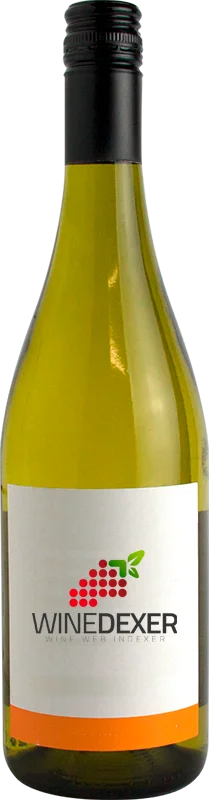
Winery Duca di CastelmonteGibelè
 White wine



In the mouth this white wine is a powerful.
This wine generally goes well with vegetarian, appetizers and snacks or shellfish.

Taste structure of the Gibelè from the Winery Duca di Castelmonte
Light | Bold | |
Dry | Sweet | |
Soft | Acidic |
In the mouth the Gibelè of Winery Duca di Castelmonte in the region of Sicily is a powerful.
Wine flavors and olphactive analysis




On the nose the Gibelè of Winery Duca di Castelmonte in the region of Sicily often reveals types of flavors of earth, microbio or vegetal and sometimes also flavors of oak, tree fruit or citrus fruit.
Food and wine pairings with Gibelè
Pairings that work perfectly with Gibelè



Original food and wine pairings with Gibelè
The Gibelè of Winery Duca di Castelmonte matches generally quite well with dishes of shellfish, vegetarian or appetizers and snacks such as recipes of shrimp with curry express, quiche without eggs or lebanese hummus.
Details and technical informations about Winery Duca di Castelmonte's Gibelè.
Discover the grape variety: Barbaroux
Fresh, fruity rosés and clarets with a pale pink colour, a supple palate and preserved acidity showing signature aromas of red fruits (strawberry, raspberry), flowers and Mediterranean notes. An airy Provençal profile for early drinking. Preserved for its heritage value, it contributes to the identity of traditional Provençal rosés.
Last vintages of this wine
The best vintages of Gibelè from Winery Duca di Castelmonte are 2014, 2015, 0, 2013 and 2011.
Informations about the Winery Duca di Castelmonte
The Winery Duca di Castelmonte is one of of the world's greatest estates. It offers 65 wines for sale in the of Sicily to come and discover on site or to buy online.

The wine region of Sicily
Major qualitative renewal. Sunny, expressive reds: fleshy, spicy Nero d'Avola (black cherry, blackberry, liquorice), fine, mineral Nerello Mascalese on Etna (recalls Pinot Noir), light, crisp Frappato in Cerasuolo di Vittoria DOCG. Lively, saline whites: Catarratto, fat, iodised Grillo, taut Carricante, floral Inzolia. Amber, walnutty fortified Marsala.
The word of the wine: Bâtonnage
A very old technique that has come back into fashion in modern oenology, which consists of shaking the white wine in the barrels at the end of fermentation, or after fermentation, with a stick or a flail, in order to suspend the fine lees composed of yeasts at the end of their activity. This process is sometimes used for red wines.