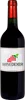
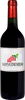
Winery Cantina di VeronaAP Mabo Rosso
 Red wine


In the mouth this red wine is a powerful.
This wine generally goes well with beef, game (deer, venison) or lamb.
Taste structure of the AP Mabo Rosso from the Winery Cantina di Verona
Light | Bold | |
Smooth | Tannic | |
Dry | Sweet | |
Soft | Acidic |
In the mouth the AP Mabo Rosso of Winery Cantina di Verona in the region of Veneto is a powerful.
Food and wine pairings with AP Mabo Rosso
Pairings that work perfectly with AP Mabo Rosso



Original food and wine pairings with AP Mabo Rosso

The AP Mabo Rosso of Winery Cantina di Verona matches generally quite well with dishes of beef, pasta or lamb such as recipes of beef tongue with vegetables and madeira sauce, pho ga (vietnamese chicken soup) or lamb tagine with preserved lemons and onion compote with....
Details and technical informations about Winery Cantina di Verona's AP Mabo Rosso.
Discover the grape variety: Garanoir
Intraspecific cross between Gamay and Reichensteiner obtained in 1970 by André Jacquinet at the Agroscope Changins-Wädenswil research station (Switzerland). From this same crossbreed, Gamaret and Mara were also born.
Last vintages of this wine
The best vintages of AP Mabo Rosso from Winery Cantina di Verona are 2017, 2016, 0
Informations about the Winery Cantina di Verona
The Winery Cantina di Verona is one of of the world's great estates. It offers 27 wines for sale in the of Verona to come and discover on site or to buy online.

The wine region of Verona
The wine region of Verona is located in the region of Vénétie of Italy. Wineries and vineyards like the Domaine Fasoli Gino or the Domaine Fasoli Gino produce mainly wines red, white and sparkling. The most planted grape varieties in the region of Verona are Corvina, Garganega and Rondinella, they are then used in wines in blends or as a single variety. On the nose of Verona often reveals types of flavors of apples, spices or oil and sometimes also flavors of fennel, non oak or microbio.
The wine region of Veneto
Veneto is an important and growing wine region in northeastern Italy. Veneto is administratively Part of the Triveneto area, aLong with its smaller neighbors, Trentino-Alto Adige and Friuli-Venezia Giulia. In terms of geography, culture and wine styles, it represents a transition from the Alpine and Germanic-Slavic end of Italy to the warmer, drier, more Roman lands to the South. Veneto is slightly smaller than the other major Italian wine regions - Piedmont, Tuscany, Lombardy, Puglia and Sicily - but it produces more wine than any of them.
The word of the wine: Yeast
Micro-organisms at the base of all fermentative processes. A wide variety of yeasts live and thrive naturally in the vineyard, provided that treatments do not destroy them. Unfortunately, their replacement by laboratory-selected yeasts is often the order of the day and contributes to the standardization of the wine. Yeasts are indeed involved in the development of certain aromas.