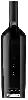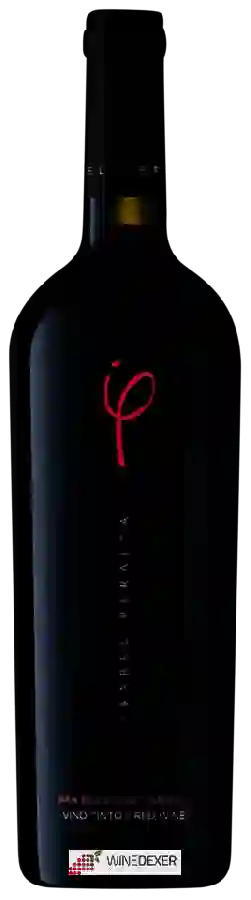
Winery Isabel PeraltaGarnacha Tintorera
 Red wine


In the mouth this red wine is a powerful.
This wine generally goes well with poultry, beef or veal.

Taste structure of the Garnacha Tintorera from the Winery Isabel Peralta
Light | Bold | |
Smooth | Tannic | |
Dry | Sweet | |
Soft | Acidic |
In the mouth the Garnacha Tintorera of Winery Isabel Peralta in the region of Castille is a powerful.
Food and wine pairings with Garnacha Tintorera
Pairings that work perfectly with Garnacha Tintorera



Original food and wine pairings with Garnacha Tintorera

The Garnacha Tintorera of Winery Isabel Peralta matches generally quite well with dishes of beef, pasta or veal such as recipes of cornish pasties, smoked salmon pasta gratin or home-made coq au vin.
Details and technical informations about Winery Isabel Peralta's Garnacha Tintorera.
Discover the grape variety: Jaoumet
Light, simple fruity reds with a lightly coloured light ruby robe, silky tannins and an airy palate with moderate acidity, showing undemonstrative aromas of red fruits. Discreet, rustic profile. Almost extinct, preserved in INRAE varietal collections, bearing witness to the pre-phylloxera ampelographic diversity of the South-West and part of the heritage grapes being studied. Rare French black grape, formerly grown in the South-West.
Last vintages of this wine
The best vintages of Garnacha Tintorera from Winery Isabel Peralta are 0
Informations about the Winery Isabel Peralta
The Winery Isabel Peralta is one of of the world's greatest estates. It offers 8 wines for sale in the of Castille to come and discover on site or to buy online.

The wine region of Castille
Cradle of great Castilian reds, high-altitude plateaus (450-1000 m) along the Duero. Tempranillo king (aka Tinta de Toro, Tinto Fino): powerful, concentrated, structured reds with notes of black cherry, plum, leather, tobacco and spice, firm tannins from altitude and cool nights. Stars: Ribera del Duero (Vega Sicilia, Pingus), fleshy Toro, Bierzo (floral, mineral Mencía). Lively, herbaceous Verdejo whites from Rueda.
The word of the wine: Alcohol
A generic term for the various alcohols produced during fermentation that give the wine body, structure and warmth.