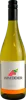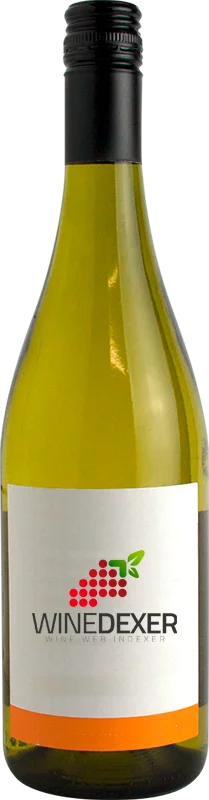
Winery InfinitusSémillon - Torrontés
 White wine


This wine generally goes well with pork, poultry or rich fish (salmon, tuna etc).

Food and wine pairings with Sémillon - Torrontés
Pairings that work perfectly with Sémillon - Torrontés



Original food and wine pairings with Sémillon - Torrontés



The Sémillon - Torrontés of Winery Infinitus matches generally quite well with dishes of pork, rich fish (salmon, tuna etc) or shellfish such as recipes of lentils and morteau sausages, tuna lasagna or curried mouclade à la charentaise.
Details and technical informations about Winery Infinitus's Sémillon - Torrontés.
Discover the grape variety: Cabernet-Cubin
Intensely coloured and structured reds with an inky, near-black robe, firm tannins and a dense mouthfeel, with aromas of blackcurrant, blackberry, black cherry, plum, spices, black pepper and balsamic notes reminiscent of Cabernet Sauvignon. Grown mainly in Germany (Württemberg, Palatinate) for modern dry reds and tannic blends. A German hybrid created in 1970 at Weinsberg (Blaufränkisch × Cabernet Sauvignon), valued for its resistance and structure.
Last vintages of this wine
The best vintages of Sémillon - Torrontés from Winery Infinitus are 0
Informations about the Winery Infinitus
The Winery Infinitus is one of of the world's great estates. It offers 13 wines for sale in the of Patagonia to come and discover on site or to buy online.

The wine region of Patagonia
Argentina's wine frontier, cool continental climate at low altitude (~200 m), strong natural acidity. Signature Pinot Noir, now a regional emblem: fine, silky reds with signature notes of tart cherry, raspberry, wild strawberry, undergrowth, violet and sweet spices, delicate tannins and taut freshness — a southern Burgundian style. Also Malbec fresher than in the north, round Merlot. Taut Sémillon, Sauvignon, Chardonnay, Riesling whites.
The word of the wine: Cinsault
Cinsault is a southern black grape variety that can be found in the blends of most Mediterranean appellations, but most often as an accessory grape variety. It is undoubtedly most present in certain rosé wines (in Corbières, Côtes-de-Provence, etc.): it gives these wines highly appreciated aromas of strawberry, peach and raspberry. In vin de pays (IGP), it is often vinified on its own, usually as a rosé.